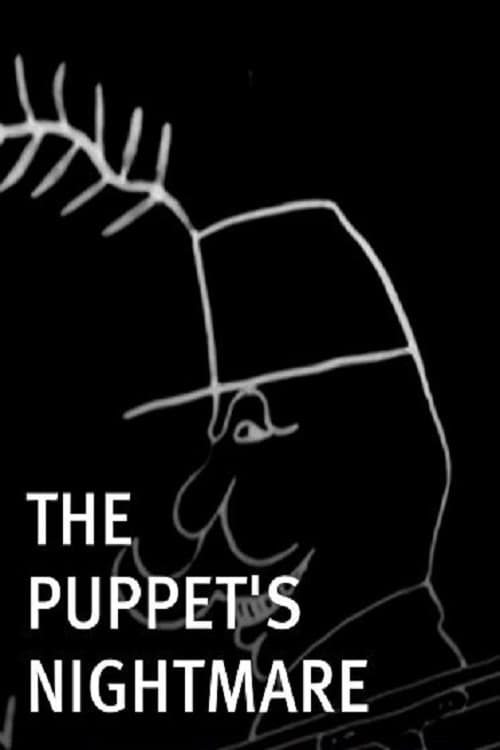
The Puppet's Nightmare
1908
No user ratings available yet
Representation score: 0.6 out of 10
Representation Score
Minimal
1910
Director
Émile Cohl
Runtime
6 minutes
Average Rating
No ratings yetNew Showbiz Analysis
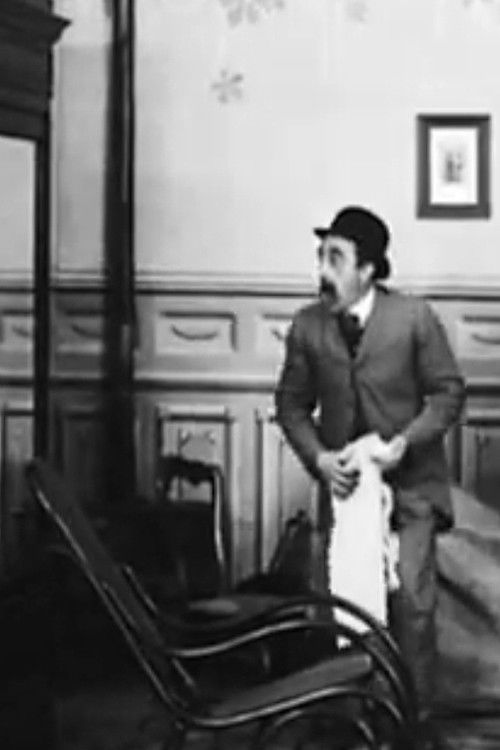
Émile Cohl’s foundational animation explores the boundary between the animate and inanimate through anthropomorphic objects. The film's strength lies in its whimsical personification of domesticity and its early mastery of visual storytelling. However, the work is limited by its historical context and medium. The narrative focuses on the relationship between a man and his belongings, rather than complex human social dynamics or multi-layered characterization. Ultimately, the film serves as a significant historical study of early animation rather than a vehicle for diverse social representation.
Category Breakdown
The film focuses on the relationship between a human and his household objects. There are no depictions of LGBTQ+ identities or same-sex intimacy.
The story centers on a single male protagonist facing economic hardship. The animation gives furniture a voice but does not explore or challenge gendered social hierarchies.
The visual language features a singular, non-specified human figure. The film reflects the homogeneous visual standards of early 20th-century French animation.
The narrative explores themes of economic instability and domestic fragility. It functions as a whimsical fable of loyalty rather than a critique of specific religious or secular ideologies.
There are no discernible depictions of physical or neurodivergent disabilities. The movement of the furniture is a stylistic animation choice rather than a representation of disability.
Present on Screen
Limited or Absent
Official Synopsis
A man who no longer can afford his rent is forced to sell his beloved furniture. The furniture can not bear to be parted from their owner and decides to return home. Often confused with Bosetti's film Le Garde meuble automatique (1912).
1908
1908
1908
1922
1892
1906
1926

1909
No reviews yet. Be the first to share your thoughts on this movie!
Use the rating form above to leave a star rating and optional review.