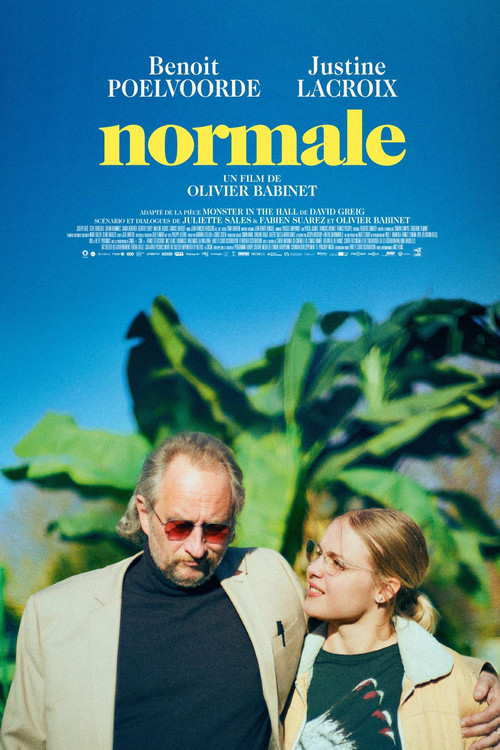
Normal
2023
No user ratings available yet
Representation score: 6.9 out of 10

Representation Score
Excellent
2025
Director
Ken Scott
Runtime
102 minutes
Average Rating
No ratings yetNew Showbiz Analysis
Once Upon My Mother is a character-driven drama that highlights multi-layered identity. By focusing on a Sephardic Jewish family and a protagonist with a physical disability, the film moves beyond standard clichés to offer a specific, textured portrait of resilience. The film excels at giving ability to act to characters who are often sidelined. Esther is a proactive force of nature, and Roland’s disability is treated as a part of his complex life rather than a plot device for pity. While the film remains rooted in a traditional familial structure and lacks queer representation, its commitment to portraying neuro-physical diversity and ethnic specificity provides a meaningful and nuanced cinematic experience.
Category Breakdown
The film focuses on the maternal-filial bond and the struggle against physical limitations. There are no explicit LGBTQ+ characters or non-straight relationships.
Esther is the main driver of the plot, not a passive caregiver. Her determination to challenge medical consensus makes her a powerful force of change.
The film offers depth through its depiction of a Sephardic Jewish family. Casting Leïla Bekhti adds North African elements to the Mediterranean and Sephardic identity.
The story explores themes of personal morality and defiance of institutional authority. It emphasizes personal empowerment over strict adherence to tradition.
The film centers on a character with a clubfoot, focusing on the lived reality rather than tragedy. Roland is given ability to act through his mother's refusal to let his disability define him.
Present on Screen
Limited or Absent
Official Synopsis
In 1963, Esther gives birth to Roland, the youngest of a large family. Roland is born with a club foot that prevents him from standing. Against everyone's advice, she promises her son that he will walk like the others and that he will have a fabulous life. From then on, Esther will do everything in her power to keep this promise. Through decades of trials and miracles of life, this film is the story of a true, funny and moving story, that of an incredible destiny and the greatest love there is: that of a mother for her child.
2023

2011

2024

2013

2006
1992
2017
2023
No reviews yet. Be the first to share your thoughts on this movie!
Use the rating form above to leave a star rating and optional review.