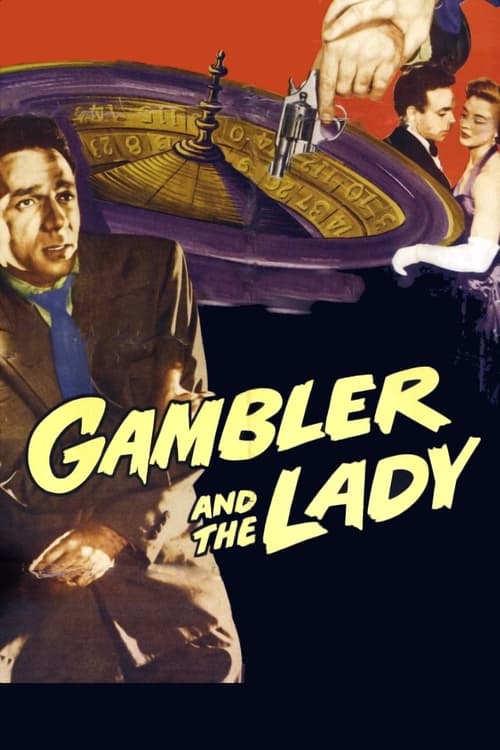
The Gambler and the Lady
1952
No user ratings available yet
Representation score: 0.9 out of 10
Representation Score
Minimal
1975
16Director
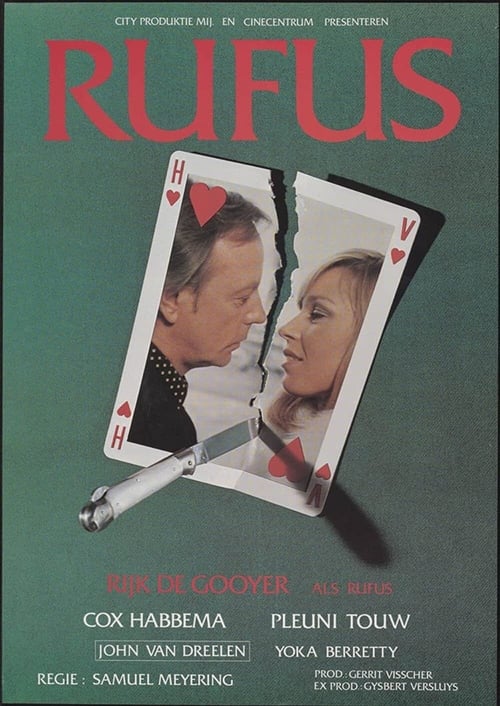
Samuel Meyering
Runtime
98 minutes
Average Rating
No ratings yetNew Showbiz Analysis
The film operates as a typical 1970s crime thriller, relying on well-worn genre clichés. It centers on a con artist's attempt to outmaneuver a corrupt authority figure, providing a mild critique of institutional integrity. However, the film lacks depth in terms of diverse representation, focusing instead on traditional relational structures and straight-centered dynamics.
Category Breakdown
The film does not include any LGBTQ+ characters or stories involving queer relationships.
A female collaborator is part of the main plot, but her role is defined by her past romantic relationship with the protagonist.
The story focuses on gambling and corruption without mentioning any racial or ethnic diversity among the characters.
The film criticizes institutional corruption by portraying a casino owner as dishonest, suggesting skepticism towards power structures.
There are no characters with disabilities or neurodivergent traits mentioned in the film.
Present on Screen
Limited or Absent
Official Synopsis
Professional gambler Rufus convinces an ex-girlfriend to help him pull one over on a corrupt casino owner.
1952

1956
1971

1976

1957
2003
1984

1955
No reviews yet. Be the first to share your thoughts on this movie!
Use the rating form above to leave a star rating and optional review.