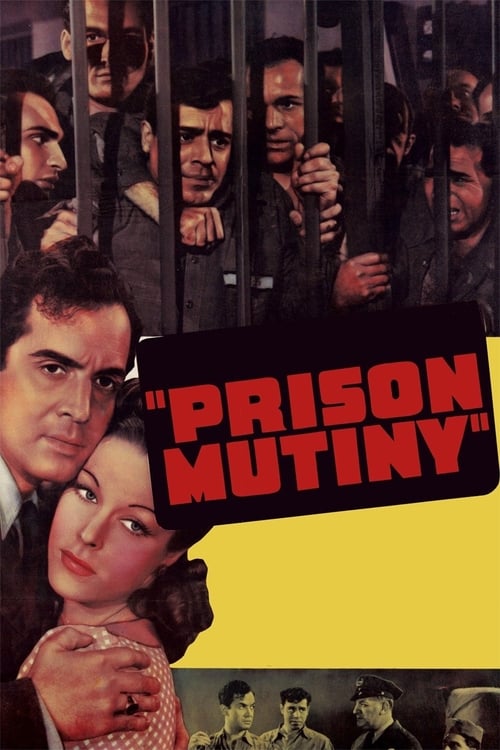
You Can't Beat the Law
1943
No user ratings available yet
Representation score: 0.3 out of 10
Representation Score
Minimal
1938
ApprovedDirector
Scott R. Beal, David Friedman
Runtime
57 minutes
Average Rating
No ratings yetNew Showbiz Analysis
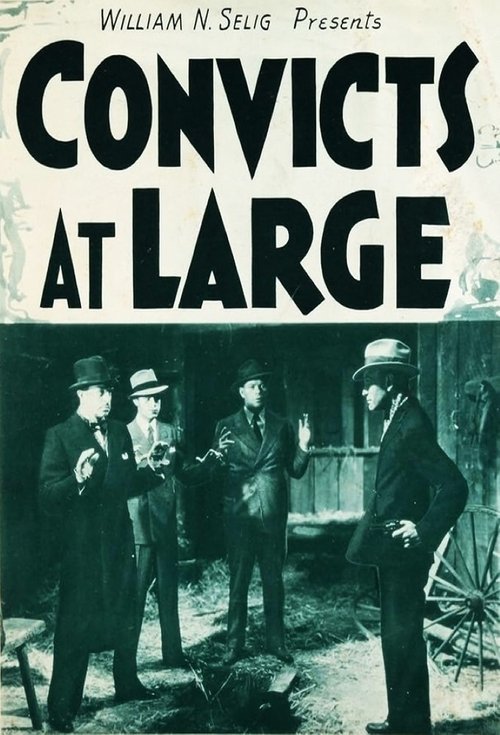
Convicts at Large is a conventional 1938 crime drama that adheres strictly to the genre clichés of its time. The plot relies on a classic mistaken identity premise, focusing on an innocent man caught in the orbit of a dangerous convict. The film lacks depth in representing multiple aspects of identity, reflecting the era's standard cinematic structure. It prioritizes individualistic drama and traditional social hierarchies over any meaningful representation of diverse identities or challenging social norms. Ultimately, the production serves as a period-typical genre piece, offering little in the way of cultural or social deconstruction.
Category Breakdown
The film does not include any LGBTQ+ characters or non-cisgender identities. It follows the traditional structures typical of 1938 crime dramas.
The narrative centers on male control through the 'innocent man' cliché. Female characters likely occupy passive or domestic roles common to this era.
The film appears to reflect the homogeneous casting standards of the late 1930s. There is no evidence of a diverse cast or non-white protagonists.
The story focuses on individual justice and legal morality. It reinforces social order and the sanctity of the law through a mistaken identity cliché.
There is no evidence of characters with visible or invisible disabilities within the narrative.
Present on Screen
Limited or Absent
Official Synopsis
An innocent man is bamboozled into trading places with a dangerous escaped convict.
1943

1936
1920

1956
1936

1956
1930

1941
No reviews yet. Be the first to share your thoughts on this movie!
Use the rating form above to leave a star rating and optional review.