Bless This House
1972
No user ratings available yet
Diversity score: 2.0 out of 10
1959
NRDirector
Gerald Thomas
Runtime
87 minutes
Average Rating
No ratings yetSynopsis
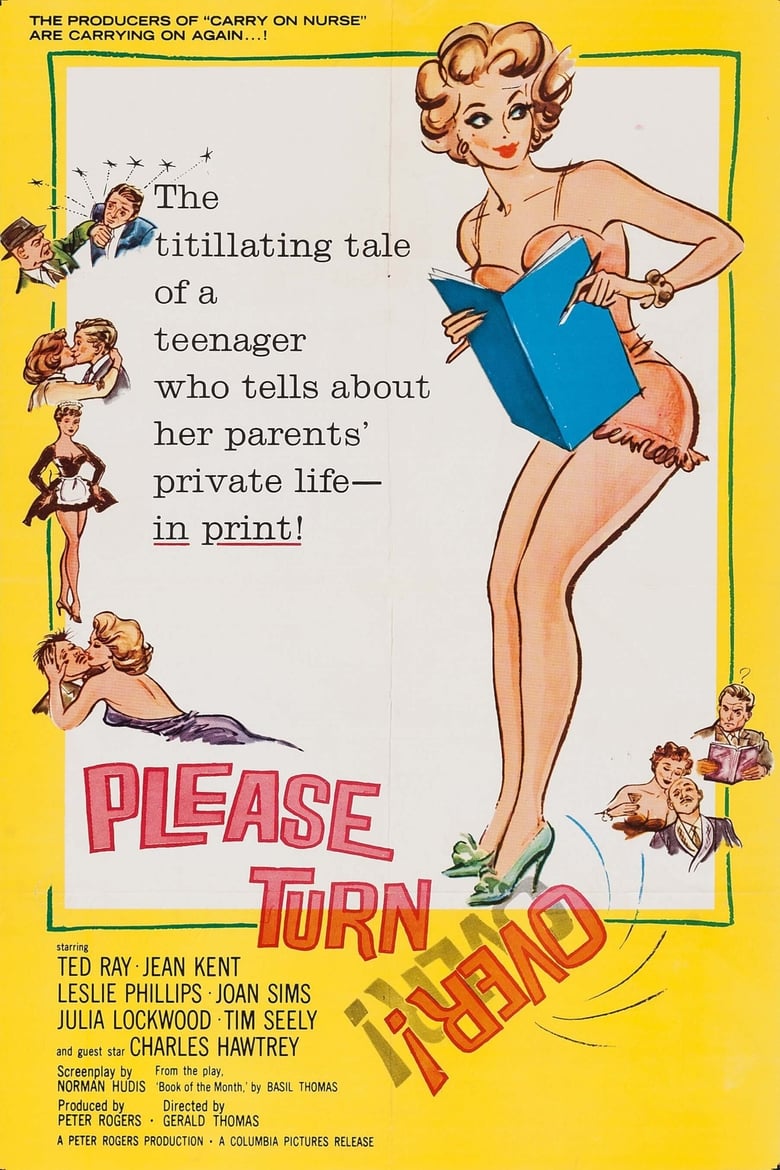
The orderly suburban life of a 1950's English town is turned on its head when the teenaged daughter of one of the residents writes a steamy bestseller featuring characters obviously based on the local population.
Overall Score
Minimal
Category Breakdown
LGBTQ+ Representation
The film adheres strictly to the heteronormative standards of 1950s British cinema. There is no evidence of non-cisnormative gender identities or same-sex intimacy.
Gender Representation
While a teenage girl drives the plot through her writing, character dynamics largely reinforce traditional mid-century hierarchies. Humor stems from social embarrassment rather than subverting gender authority.
Racial & Ethnic Diversity
The cast is predominantly homogeneous, reflecting the demographic status quo of a 1959 British seaside resort. The narrative lacks characters of color.
Religious & Cultural Diversity
The story functions within a conventional Western framework, emphasizing class decorum and social standing. It treats the disruption of these norms as farce rather than systemic critique.
Disability Representation
There is no discernible representation of neurodivergence or physical disability. Characters are presented as socioeconomic archetypes rather than individuals with disabilities.
Strengths
Areas for Improvement
AI Analysis
Please Turn Over is a quintessential product of its era, functioning as a situational comedy that relies on class-based misunderstandings. The film does not seek to challenge traditional tropes or disrupt established social hierarchies, instead operating within the established norms of 1950s Britain. The narrative architecture maintains a high degree of adherence to the conventional social and demographic structures of the time. It offers minimal engagement with intersectional identities or progressive shifts, focusing instead on the comedic friction caused by a teenager's scandalous writing.
1972
1959
1960
1969
1978
1955
1971

1973
1973
1964
1975

1955
No reviews yet. Be the first to share your thoughts on this movie!
Use the rating form above to leave a star rating and optional review.