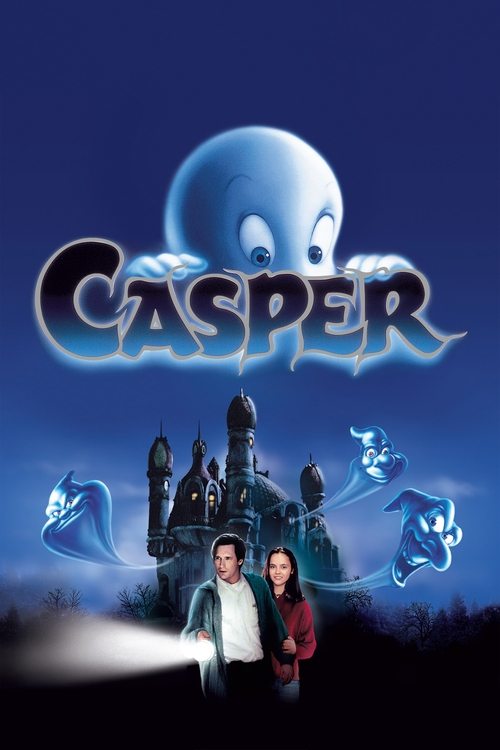
Casper
1995
No user ratings available yet
Representation score: 4.5 out of 10
Representation Score
Fair
1996
PGDirector
Norman Jewison
Runtime
110 minutes
Average Rating
No ratings yetNew Showbiz Analysis
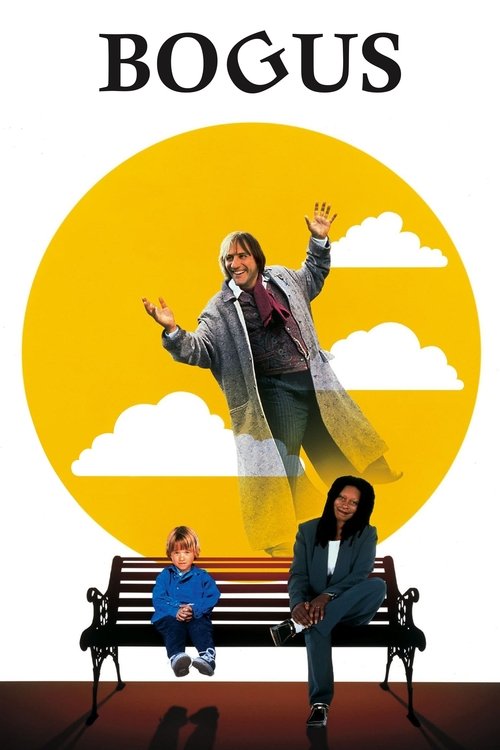
Bogus is a typical mid-90s fantasy-comedy that prioritizes whimsical storytelling over addressing social issues. While the main character introduces non-traditional masculine traits, the film fails to delve deeply into these characteristics as part of a specific identity. The narrative centers on traditional family structures and a homogeneous demographic. It operates within a narrow suburban context without incorporating diverse perspectives or multi-layered casting. Overall, the film adheres to the era’s standard cinematic norms, offering a magical escape rather than engaging with diverse social or systemic realities.
Category Breakdown
The film features a flamboyant French magician named Bogus who exhibits non-traditional masculine behaviors. However, these traits are presented as stylistic quirks rather than being explored as part of a specific LGBTQ identity.
The movie follows traditional gender roles from the mid-90s, focusing on a boy and his godmother. It does not challenge or subvert these established gender hierarchies.
The film focuses on a homogeneous demographic and lacks multicultural perspectives. Its suburban fantasy framework does not include diverse ethnic ensembles.
The story subtly questions materialist views through magical realism. However, it maintains a standard Western moral framework without deconstructing Western institutions.
The film does not significantly address neurodivergence or physical disabilities. The imaginary friend cliché is used whimsically rather than to explore mental health issues in depth.
Present on Screen
Limited or Absent
Official Synopsis
Recently orphaned, a young boy is taken in by his godmother who is shocked to realize that she can see the boy's imaginary friend: a flamboyant, French magician named Bogus.
1995

2020

1996
1991
2020
1997

2018

1996
No reviews yet. Be the first to share your thoughts on this movie!
Use the rating form above to leave a star rating and optional review.