Haseena Parkar
2017
No user ratings available yet
Representation score: 6.2 out of 10
Representation Score
Limited
1986
Director
Mahesh Bhatt
Runtime
180 minutes
Average Rating
No ratings yetNew Showbiz Analysis
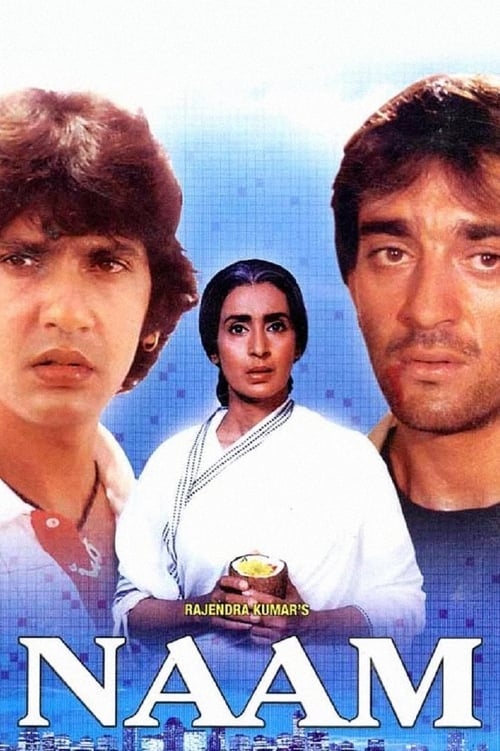
Naam is a gritty exploration of social realism that prioritizes a critique of institutional power over diverse character archetypes. It succeeds in providing a localized, culturally specific depiction of the working class in 1980s India. While the film excels at portraying socio-economic exclusion and the struggle against oppressive social machinery, it remains limited by traditional gender hierarchies. The narrative relies heavily on conventional familial structures and patriarchal duties. Ultimately, the film's strength lies in its nuanced portrayal of systemic victimhood rather than its breadth of identity representation.
Category Breakdown
The film does not include any LGBTQ+ characters. The story focuses solely on traditional family and romantic relationships.
Female characters play key roles in the domestic sphere but their influence is often shaped by their roles within a patriarchal family structure.
The film centers on the South Asian experience in an urban Indian setting. It accurately reflects the socio-economic conditions of 1980s Mumbai.
The story uses moral relativism to criticize systemic injustices. It portrays the protagonist's criminal journey as a sympathetic reaction to capitalist and state failures.
There are no characters with visible or invisible disabilities. Such identities are not used as central narrative drivers.
Present on Screen
Limited or Absent
Official Synopsis
A widow raises two sons, one of whom is not her biological child (unbeknownst to him). Her biological child leaves India to work in Dubai, but eventually finds himself in the criminal underworld.
2017

1988
1998

2009

2001
1989
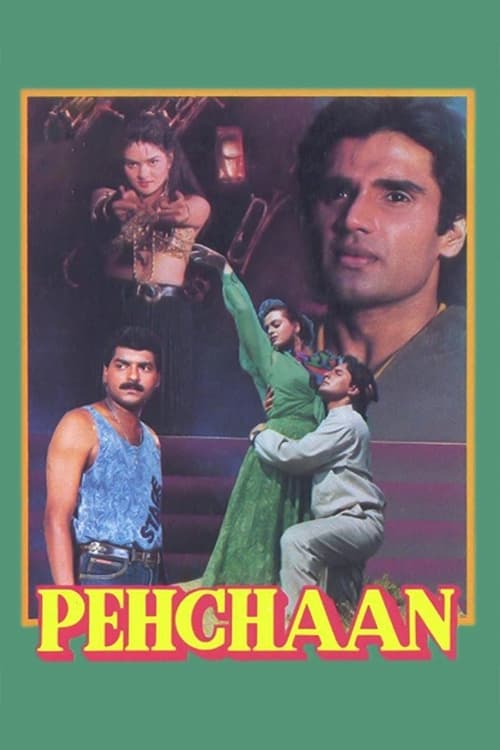
1993

2019
No reviews yet. Be the first to share your thoughts on this movie!
Use the rating form above to leave a star rating and optional review.