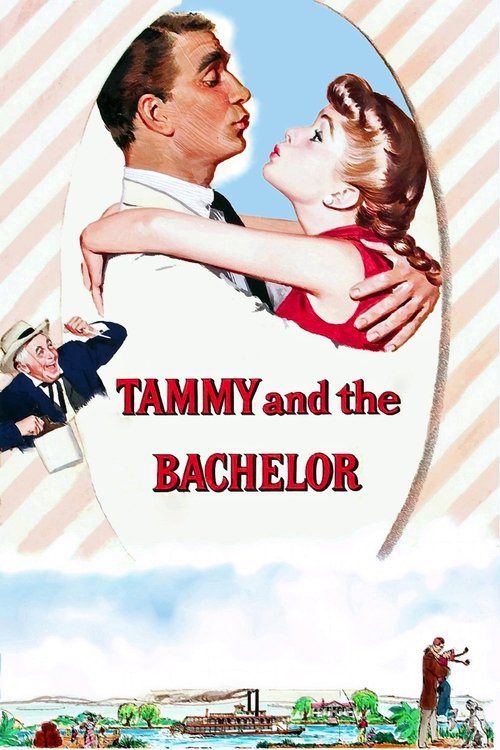
Tammy and the Bachelor
1957
No user ratings available yet
Representation score: 0.4 out of 10
Representation Score
Minimal
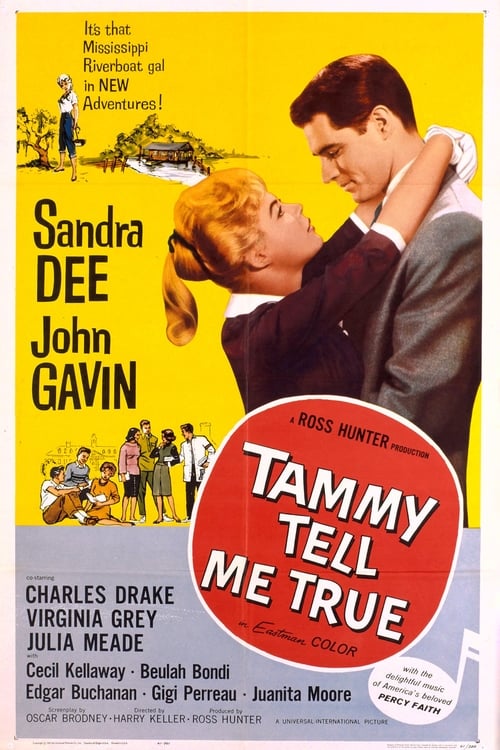
1961
PassedDirector
Harry Keller
Runtime
97 minutes
Average Rating
No ratings yetNew Showbiz Analysis
Tammy Tell Me True is a conventional romantic comedy that adheres to the social norms of 1961. While the female lead exhibits some independence, the film remains within traditional gender roles and social structures. The production centers on a homogeneous white demographic and avoids diverse representation. It reinforces established social norms without challenging them. Overall, the film lacks complexity in addressing multiple aspects of identity and focuses on an idealized version of American life.
Category Breakdown
The film follows the social norms of the early 1960s and does not include any LGBTQ+ identities or same-sex romantic relationships.
Tammy, the main character, has a moderate amount of independence but remains within the traditional gender roles of the time.
The film focuses on a predominantly white cast in a small town in Mississippi, lacking characters from different racial backgrounds with significant roles.
The story emphasizes traditional family values and community, presenting an idealized view of small-town American life.
The film does not feature any characters with visible or invisible disabilities, nor does it use disability as a theme or plot device.
Present on Screen
Limited or Absent
Official Synopsis
Tammy leaves the river in Mississippi to attend college, developing a relationship with Tom Freeman (John Gavin). Sandra Dee replaces Debbie Reynolds in this and the third Tammy movie. This film introduces both a new theme song, "Tammy Tell Me True", and the character of Mrs. Annie Call, played by veteran Beulah Bondi. Mrs. Call ultimately moves in with Tammy at the Ellen B. and would be the catalyst for the events in the following film, "Tammy and The Doctor".
1957
1958
1963
1967
1965
1964

1966
1947
No reviews yet. Be the first to share your thoughts on this movie!
Use the rating form above to leave a star rating and optional review.