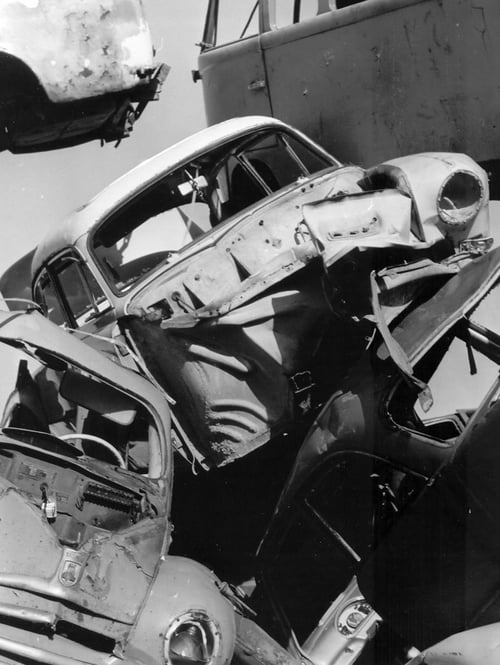
Auto Auto
1964
No user ratings available yet
Representation score: 3.7 out of 10
Representation Score
Minimal
1979
Director
Paul Winkler
Runtime
15 minutes
Average Rating
No ratings yetNew Showbiz Analysis
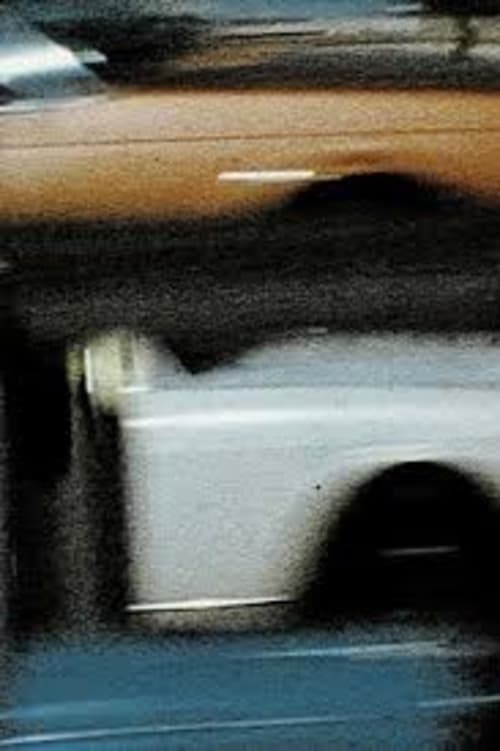
Paul Winkler’s Cars is an avant-garde meditation on industrial momentum rather than a character-driven narrative. It uses abstract symbols and intricate visual techniques to critique the kinetic energy of modern life. Since the film is non-narrative, it lacks human subjects necessary for addressing traditional demographic representation. Instead, it provides a systemic critique of Western societal values by transforming the car into a symbol of repetitive and violent abstraction.
Category Breakdown
The film focuses on geometric shapes and textures, making it impossible to depict sexual orientation since there are no human characters.
Since the film centers on cars as abstract entities, there is no exploration of gender roles or femininity.
By operating within a formalist and experimental framework, the film avoids depicting racial diversity or hierarchies due to the absence of human elements.
The film critiques Western industrialism and the obsession with mobility, presenting the car as a symbol of aggressive, repetitive futility.
With no characters to represent physical or neurodivergent identities, the film focuses solely on abstract representations of movement and material objects.
Present on Screen
Limited or Absent
Official Synopsis
“I don’t drive, but I know people who’ll drive 100 metres to go to the shops. Our society is obsessed with the car, with coming and going, getting somewhere. I used very intricate matting, some shaped like knives. I wanted the cars to slice each other in two, creating a kind of hurdy gurdy atmosphere…an abstract rushing to and fro, going nowhere. The first half of the film is silent. The second half, a grainy dupe of the same images, has sound and is far more urgent and aggressive.” (Paul Winkler)
1964
1967
1966
2002
1970
1987
1928
1949
No reviews yet. Be the first to share your thoughts on this movie!
Use the rating form above to leave a star rating and optional review.