
Drill
1983
No user ratings available yet
Representation score: 0.6 out of 10
Representation Score
Minimal
1987
Director
Takashi Ito
Runtime
7 minutes
Average Rating
No ratings yetNew Showbiz Analysis
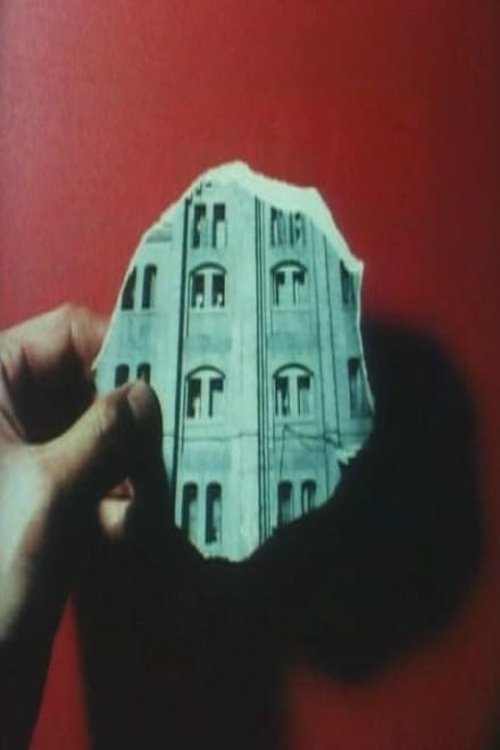
Wall is a work of pure cinematic formalism that prioritizes texture and spatial perception over human storytelling. The film explores the tension between two-dimensional photography and three-dimensional space through repetitive movements of a brick structure. Because it lacks a human cast, character arcs, or dialogue, it does not engage with the social dimensions of identity or systemic power. The visual narrative is strictly structural, focusing on the interplay between handheld camera movement and geometric patterns. Ultimately, the film's focus is aesthetic rather than socio-political.
Category Breakdown
Since the film focuses on architectural textures without any characters or dialogue, it does not depict sexual orientation or gender identity.
The work does not include any human subjects, so it cannot explore gender roles or social hierarchies. The focus is on inanimate brickwork and camera mechanics.
This abstract study of light and architectural surfaces does not feature any human cast, so it does not represent any human ethnicity or racial identity.
By stripping away human social structures, the film adopts a neutral, secular stance. It avoids specific religious or nationalistic themes through pure abstraction.
Since there are no human characters present in the work, the film does not represent physical, sensory, or neurodivergent experiences.
Present on Screen
Limited or Absent
Official Synopsis
"The further developed and completed version of a 15-second advertisement for an interior design firm on which I had worked. It repeats over and over again the violent back-and-forth, half-revolving motions of a giant brick storehouse inside the frame of a hand-held photograph. I wanted to emphasis the flat nature of the photograph while creating a dynamic feeling of depth inside the photograph's frame." - Takashi Ito
1983
1982
1970
1985
1976
1978
1981
1981
No reviews yet. Be the first to share your thoughts on this movie!
Use the rating form above to leave a star rating and optional review.