
We Are All Demons
1969
No user ratings available yet
Representation score: 4.5 out of 10
Representation Score
Fair
1976
Director
Andrzej Wajda
Runtime
100 minutes
Average Rating
No ratings yetNew Showbiz Analysis
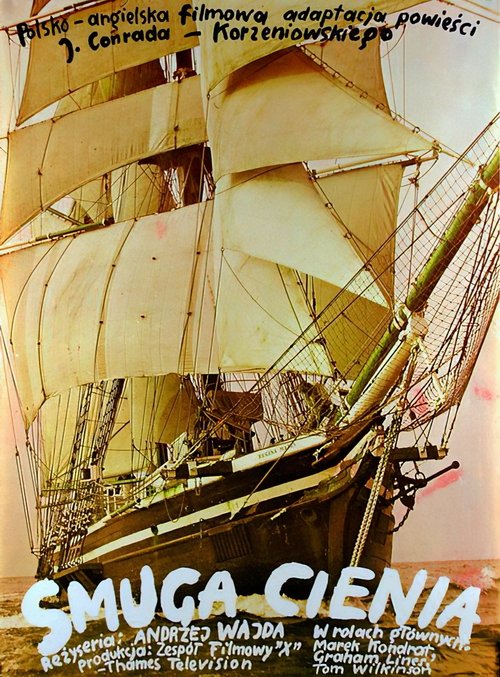
The film operates as a character study of authority and psychological resilience during a maritime crisis. It emphasizes the examination of systemic power and institutional failure over modern demographic representation. While the setting suggests a diverse, international crew, the narrative remains centered in a traditional, male-dominated hierarchy. The focus is on the conflict between individual ability to act and the breakdown of social structures under pressure. Ultimately, the work provides a sophisticated exploration of leadership and superstition, despite limited representation across several key identity categories.
Category Breakdown
The film focuses on the professional and psychological struggles of a young sea captain and his crew. There are no visible LGBTQ+ characters or representations of non-straight relationships.
The film highlights a traditional maritime hierarchy led by a young man. It lacks female characters with significant roles or challenges to masculine stereotypes.
The maritime setting suggests a potentially multicultural crew. However, the specific racial composition and diversity of the characters are not explicitly detailed.
The story examines the tension between scientific necessity and irrational superstition. It questions traditional authority by presenting the crew's fear of a malevolent spirit as a systemic issue.
Malaria serves as a central plot device, introducing physical vulnerability to the crew. It is unclear if these illnesses give characters significant roles or merely serve as narrative devices.
Present on Screen
Limited or Absent
Official Synopsis
Andrzej Wajda's English-language film of a novella by Józef Teodor Konrad Korzeniowski, aka Joseph Conrad, about a young man in his first command as a sea captain. A series of crises prove incredibly difficult for his new authority, for the sea is curiously becalmed and the crew is weakened by feverish malaria. When the first mate's fear convinces many that the ship is haunted and cursed by the malevolent spirit of the previous captain, the young man must cope with their superstition as well as the conspicuous absence of much-needed medicine.
1969

1964

1962
1951

2021

1942
2021

1943
No reviews yet. Be the first to share your thoughts on this movie!
Use the rating form above to leave a star rating and optional review.