100 Days In The Jungle
2002
No user ratings available yet
Representation score: 7.1 out of 10
Representation Score
Limited
2010
PGDirector
Don McBrearty
Runtime
150 minutes
Average Rating
No ratings yetNew Showbiz Analysis
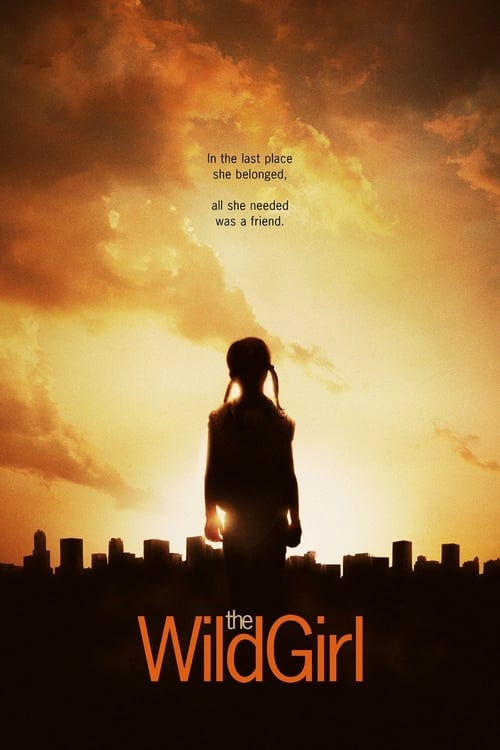
The Wild Girl opens on a dense, dark Canadian forest, a physical barrier that immediately establishes the "wild" as a judge rather than a backdrop. Billed as a 1932 expedition to rescue a kidnapped boy, the film’s pictures quickly reveal a fable about competence, where the white male leads are stripped of their social status by the landscape. Brian Austin Green’s Ned is soft and suburban, a visual mismatch for the rugged outdoorsman role, while Matthew Edison’s Tolley is a loud, aggressive fraud whose violence is constantly undercut by the cold. The camera lingers on Gregory 'Dominic' Odjig’s Albert, treating his Indigenous knowledge as sacred and unmarked by the trauma of colonization. He is the only character who belongs in the real world, a magical helper who heals the narrative arc and then vanishes, leaving the Western lead to hold the bag. The film’s argument is that nature is indifferent, but the pictures show it is a strict moral teacher. The sterile whites of the urban scenes give way to deep greens and browns, marking a transition from civilization to a world that punishes those who try to negotiate with it. Tolley’s gun is a symbol of his inability to communicate, useless against the dark, while Ned survives only by accepting his helplessness. The sold meaning is that the "wild girl" is not a monster but a mirror for the man’s lost innocence, and the rescue is actually a surrender. The last image finds Ned rooted in the clearing, holding the infant, rewarded for abandoning the urban chase. It is a quiet, traditionalist verdict that values heritage and natural order over modern ambition, treating the frontier as the true owner and the characters as mere guests.
Category Breakdown
No queer characters or same-sex intimacy appear in this 1932-set survival drama. The narrative relies entirely on heterosexual and parent-child dynamics, leaving LGBTQ+ representation absent from the frame.
Margaret Hawkins serves as the grounded moral anchor, while male leads Ned and Tolley are framed as incompetent or fragile in the wild. The film rewards female judgment over male brute force, positioning the infant girl as the central prize.
Gregory 'Dominic' Odjig plays Albert Valor, an Indigenous guide whose competence is treated as sacred and unmarked by historical trauma. He functions as a magical helper who provides essential knowledge to the white protagonists before exiting the narrative.
The film positions the wild forest and Indigenous knowledge as superior to sterile urban civilization. Traditional Western institutions like the hospital are depicted as cold and dangerous, while the frontier is framed as a moral teacher that punishes arrogance.
No characters display physical, sensory, or neurodivergent impairments. The narrative focuses on survival skills and environmental hazards rather than disability representation, leaving the category entirely absent from the story.
Present on Screen
Limited or Absent
Official Synopsis
Ned Giles, an aspiring news photographer, joins the 1932 Great Apache Expedition on the search for a young boy, the son of a wealthy Mexican land owner who was kidnapped by wild Apaches. Ned finds himself on an unexpected and perilous journey through rugged terrain, when a captured wild Apache girl must be exchanged for the kidnapped boy.
2002
1960

2011
1960
2003
1969
1968
1966
No reviews yet. Be the first to share your thoughts on this movie!
Use the rating form above to leave a star rating and optional review.