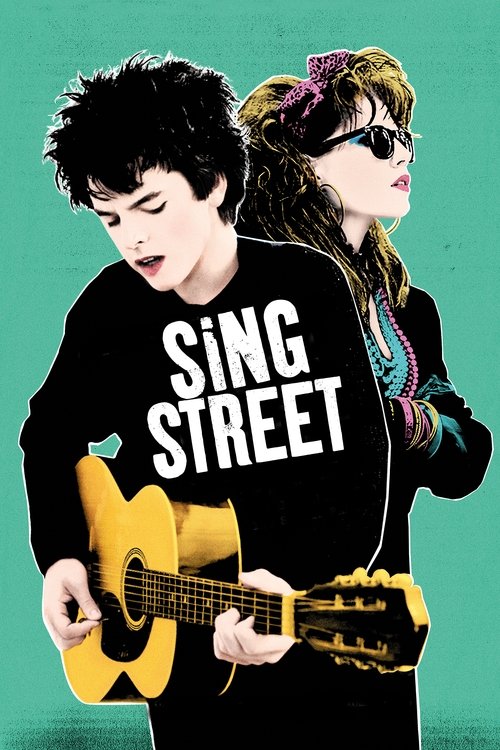
Sing Street
2016
No user ratings available yet
Representation score: 5.0 out of 10
Representation Score
Fair
2019
PG-13Director
Gurinder Chadha
Runtime
117 minutes
Average Rating
No ratings yetNew Showbiz Analysis
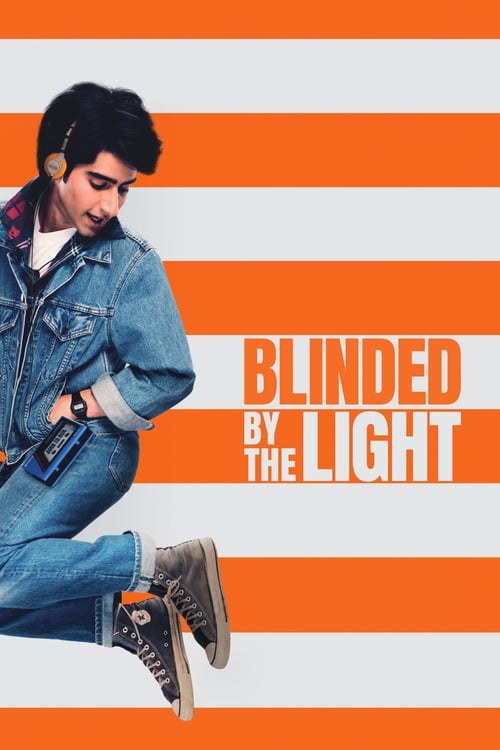
Blinded by the Light offers a nuanced exploration of identity by integrating post-colonial themes into a localized working-class drama. It successfully disrupts traditional narratives by centering a minority experience within a socioeconomic struggle typically reserved for white protagonists. The film's strength lies in its multi-layered approach to the second-generation immigrant experience. By placing a British-Asian protagonist in a traditionally white, rural setting, it challenges monolithic perceptions of British history.
Category Breakdown
The film focuses on the protagonist's romantic discovery and does not center on queer identities or experiences. There is no active representation or critique of LGBTQ+ issues.
Female characters play important roles in providing emotional support for the protagonist. However, the story mainly revolves around the male protagonist's journey and his development of personal ability to act.
The film casts a British-Asian protagonist in a rural English setting, exploring the tension between South Asian heritage and British cultural assimilation.
The story critiques the oppressive economic structures of the Thatcher era. Music serves as a bridge to navigate rigid social and economic hierarchies.
There are no prominent depictions of visible or invisible disabilities. No characters are defined by disability within the narrative.
Present on Screen
Limited or Absent
Official Synopsis
In 1987, during the austere days of Thatcher’s Britain, a teenager learns to live life, understand his family, and find his own voice through the music of Bruce Springsteen.
2016
1994
2012
2018
1999
1998
2018
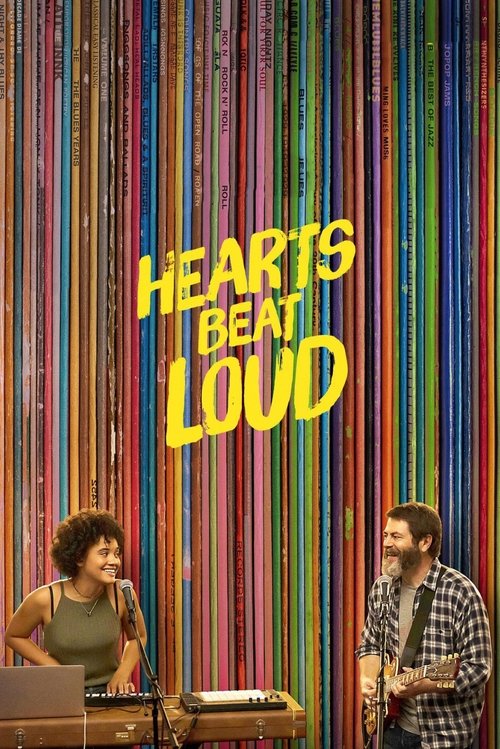
2018
No reviews yet. Be the first to share your thoughts on this movie!
Use the rating form above to leave a star rating and optional review.