
Day by Day
2022
No user ratings available yet
Representation score: 7.3 out of 10
Representation Score
Good
2014
Director
Christian Zübert
Runtime
95 minutes
Average Rating
No ratings yetNew Showbiz Analysis
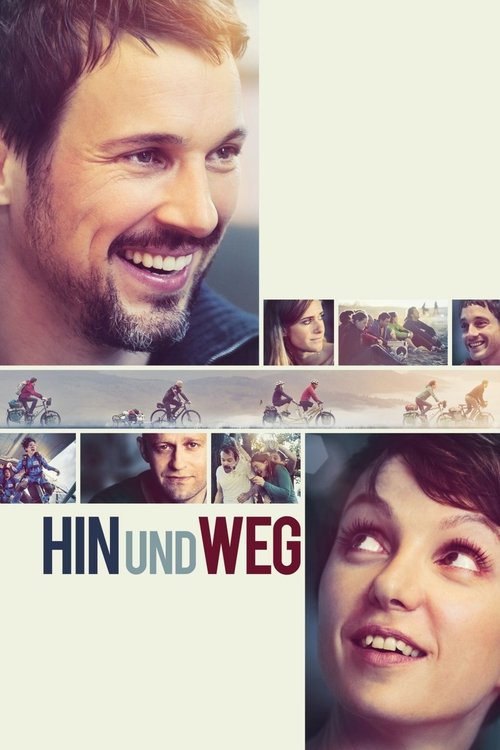
Tour de Force is a character-driven drama centered around a terminal diagnosis, shifting the narrative from a typical travelogue to a profound exploration of illness and human connection. While the film successfully engages with disability, it remains limited in its representation of multi-layered identities. The social circle depicted adheres to conventional European casting norms, lacking significant racial or LGBTQ+ visibility. The film explores friendship and the celebration of life but stays within traditional social frameworks, failing to challenge broader systemic narratives.
Category Breakdown
The film does not explicitly address LGBTQ+ identities or same-sex relationships. The main characters adhere to traditional gender roles and sexual orientations.
The ensemble includes a balanced dynamic between Hannes and Kiki. Kiki’s role as a co-decision maker suggests a more equal partnership rather than traditional patriarchal dominance.
Set in Belgium, the story focuses on a specific social circle that appears relatively homogeneous. There is no significant racial diversity among the main characters.
The film emphasizes individualist, secular themes over religious or patriotic structures. It highlights personal experiences and the celebration of life through a subjective lens.
Hannes’s incurable disease serves as a catalyst for the group's actions rather than just a tragic storyline. This offers a nuanced look at navigating a terminal condition.
Present on Screen
Limited or Absent
Official Synopsis
Belgium, of all places. What's Belgium got besides chocolates and fries? No matter, this year it was Hannes' and Kiki's turn to choose the destination of their annual bike tour with their closest friends. They all looks forward to the adventure, after all they know that what counts the most is the time they spend together. It's only after the tour has begun that Hannes tells his friends that he's suffering from an incurable disease. The trip is to be his last. At first, the group is shocked and helpless, but after they hit the road again, they embark on a wild and one-of-a-kind adventure. Through Hannes, they realize how precious life is. Equipped with a list of things that still remain to do, and aware that nothing will be the same after this trip, they celebrate life as they never did before.
2022
2008

2021

2016
1993

1985
2015

2017
No reviews yet. Be the first to share your thoughts on this movie!
Use the rating form above to leave a star rating and optional review.