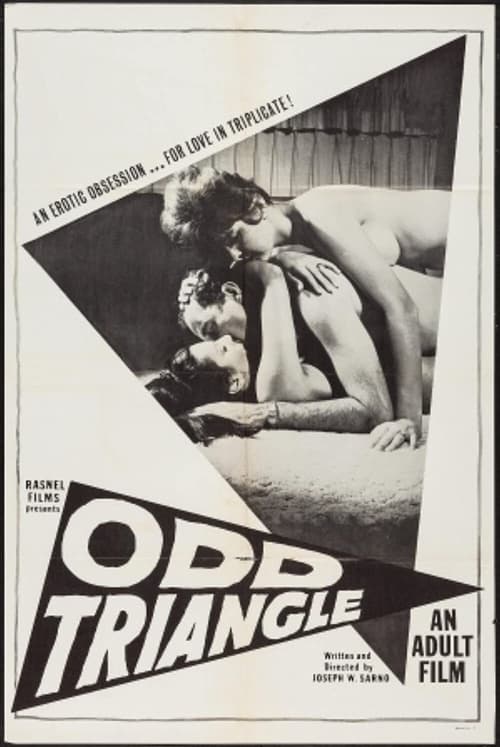
Odd Triangle
1968
No user ratings available yet
Representation score: 5.3 out of 10

Representation Score
Fair
1978
Director
Ignacio F. Iquino
Runtime
82 minutes
Average Rating
No ratings yetNew Showbiz Analysis
Emmanuelle & Carol functions as a deconstruction of the traditional nuclear family. By prioritizing queer relational dynamics and female autonomy, the film challenges the social order of its era. The narrative's strength lies in its progressive exploration of sexual fluidity and the subversion of patriarchal household stability. It moves beyond peripheral inclusion to make non-straight structures the core of the plot. However, the film is limited by a lack of racial and disability representation. While it succeeds in disrupting straight-centered structures, it remains narrow in its demographic scope.
Category Breakdown
The film centers a lesbian relationship as its primary emotional driver. It explores sexual fluidity and non-straight relationships through a transition from marriage to a multi-partner female dynamic.
women's ability to drive the story and autonomy are central to the narrative. The protagonist challenges traditional domestic roles by leaving her husband to pursue her own desires and emotional landscapes.
The narrative lacks evidence of significant racial or ethnic diversity. It focuses almost exclusively on interpersonal sexual politics within a localized social context.
The film critiques traditional Western domestic institutions by framing unconventional lifestyles as journeys of self-discovery. It avoids a moralizing lens regarding the abandonment of marital vows.
There is no evidence of characters with physical or neurodivergent disabilities within the film's context.
Present on Screen
Limited or Absent
Official Synopsis
A married woman leaves her husband, starting a lesbian relationship with a friend. Soon a third woman joins the relationship; meanwhile the abandoned husband discovers her bisexual nature with a friend.
1968
1986

1971

1980

1984

1990

1965
1969
No reviews yet. Be the first to share your thoughts on this movie!
Use the rating form above to leave a star rating and optional review.