
Timecrimes
2007
No user ratings available yet
Representation score: 0.9 out of 10
Representation Score
Good
2013
PGDirector
Stéphane Réthoré
Runtime
18 minutes
Average Rating
No ratings yetNew Showbiz Analysis
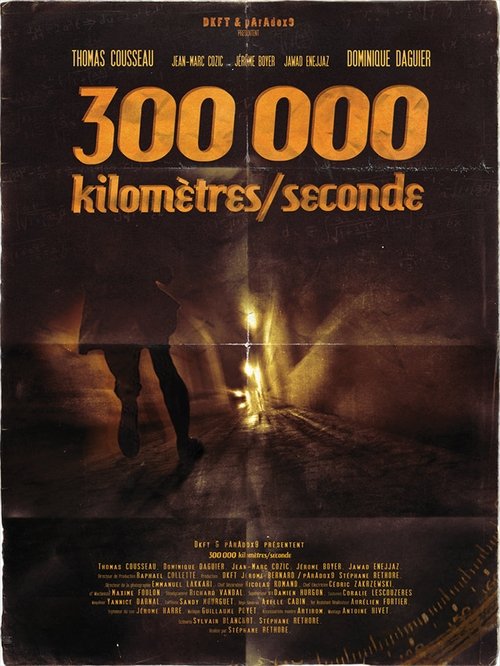
The film '300 000 KILOMÈTRES / SECONDE' operates as a traditional period-based science fiction thriller. Its narrative structure revolves around individual ability to act and the mechanics of invention, following a protagonist-driven storyline typical of mid-century adventure stories. The setting and themes align with historical realism rather than social upheaval. While the pursuit of scientific discovery can challenge institutional frameworks, the current focus remains on a male inventor and his father's legacy. Without additional information about the supporting cast, the film seems to prioritize the mechanics of time travel and the tension of patenting inventions over disrupting social hierarchies.
Category Breakdown
The film does not explicitly depict queer identities or same-sex relationships. There is no indication of queer individuals taking significant roles in the story.
The story focuses on a male protagonist and his patriarchal heritage. Female characters do not seem to have prominent roles or challenge traditional gender hierarchies.
Set in 1956 Paris, the film reflects a period-appropriate European setting. The lack of a diverse cast suggests adherence to the era's demographic makeup.
The plot examines scientific progress and the tension between intellectual property and institutional interests. This conflict may critique established power structures and traditional frameworks.
No characters with visible or invisible disabilities are mentioned. The focus on the inventor archetype does not inherently suggest neurodivergence or physical disability.
Present on Screen
Limited or Absent
Official Synopsis
Paris, 1956. Lucien Lacroix, inventor, has resumed the researches of his late father and created a watch that permits the wearer to travel in time. Deciding to go to Geneva to patent his invention, he's followed by two mysterious individuals...
2007
1979

2016

1968

2023

2015
2006

2017
No reviews yet. Be the first to share your thoughts on this movie!
Use the rating form above to leave a star rating and optional review.