Dancer and the Dame
2015
No user ratings available yet
Diversity score: 4.1 out of 10
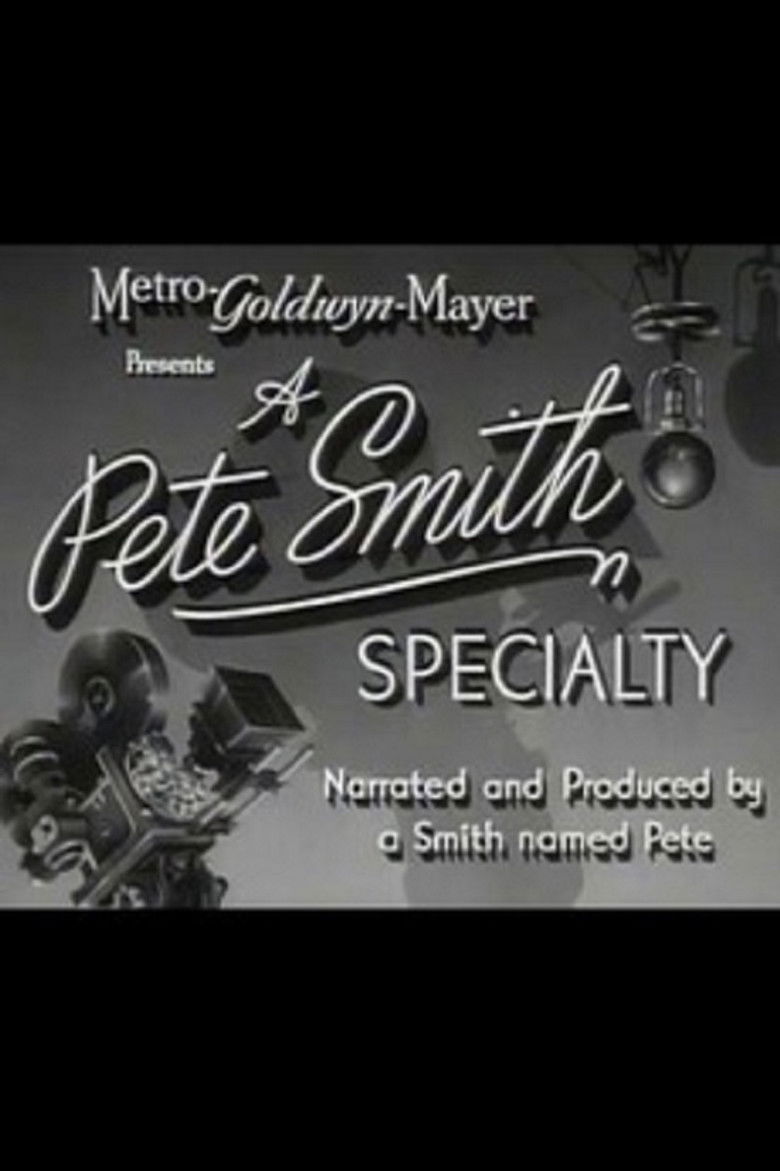
1937
PassedDirector
Fred Zinnemann
Runtime
10 minutes
Average Rating
No ratings yetSynopsis
Pete Smith tells the story of 'Sparky', a German shepherd dog trained to lead his blind master, a country doctor who lost his sight in a fire, and now has to depend upon the dog to lead him in his daily rounds. 'Sparky" was the dog who was responsible for the Interstate Commerce Commission passing a special ruling allowing guide-dogs to travel first-class in Pullman cars to accompany their blind partner, and not as animals confined to the baggage car. Smith shows how 'Sparky' went to Washington D. C. with his master and helped sell the change to the legislators.
Overall Score
Limited
Category Breakdown
LGBTQ+ Representation
The film focuses entirely on the bond between a dog and a human professional. It lacks any queer subtext or non-cisnormative identities, adhering to the heteronormative structures of the 1930s.
Gender Representation
The story centers on a male doctor and his professional responsibilities. While not overtly misogynistic, the film lacks female agency and focuses on traditional masculine roles.
Racial & Ethnic Diversity
The narrative reflects a homogeneous social landscape typical of 1930s American cinema. There is no indication of a multi-ethnic cast or the subversion of Anglo-Saxon demographic norms.
Religious & Cultural Diversity
The film highlights the efficacy of legal structures and institutional reform. It promotes a narrative of social utility and respect for systemic processes rather than critiquing them.
Disability Representation
The film provides meaningful visibility to visual impairment. By focusing on the doctor's professional competence and his use of a guide dog, it avoids tropes of helplessness.
Strengths
Areas for Improvement
AI Analysis
Friend Indeed is a period-specific instructional comedy that prioritizes a singular narrative of professional duty and legislative change. Its primary strength lies in its depiction of disability, which grants the protagonist dignity and functional agency through his partnership with a guide dog. However, the film is limited by the social norms of its era. It lacks intersectional complexity, offering almost no representation for racial, gender, or LGBTQ+ identities. The focus remains strictly on a homogeneous, traditional American social structure. Ultimately, while the film offers a relatively progressive view of disability for 1937, it functions as a narrow study of institutional success rather than a diverse social portrait.
2015

1961
1927
1950

1938

2024
1934

2004

2009
1981

1939
1976
No reviews yet. Be the first to share your thoughts on this movie!
Use the rating form above to leave a star rating and optional review.