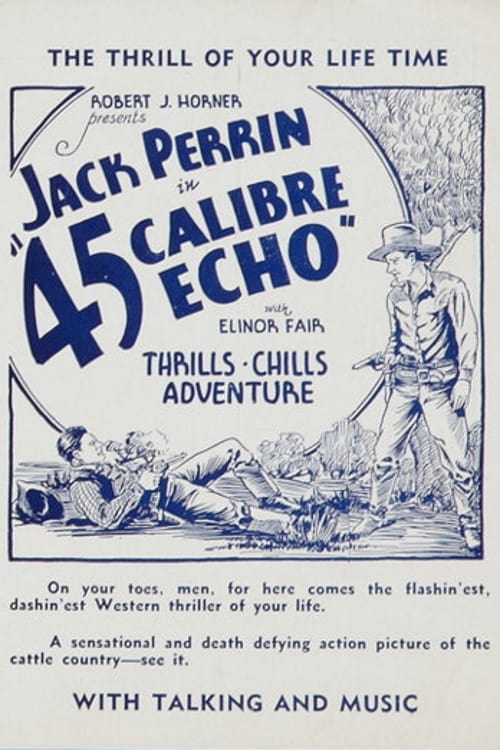
45 Calibre Echo
1932
No user ratings available yet
Diversity score: 2.3 out of 10
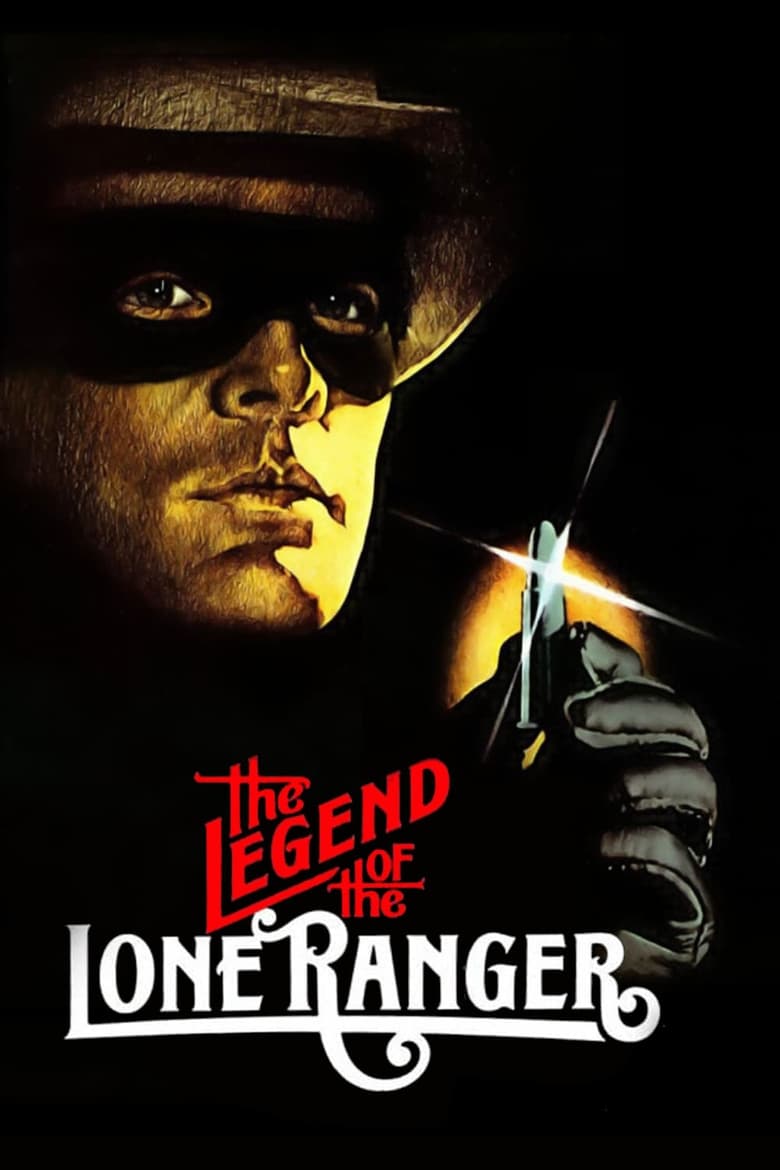
1981
PGDirector
William A. Fraker
Runtime
98 minutes
Average Rating
No ratings yetSynopsis
When the young Texas Ranger, John Reid, is the sole survivor of an ambush arranged by the militaristic outlaw leader, Butch Cavendich, he is rescued by an old childhood Comanche friend, Tonto. When he recovers from his wounds, he dedicates his life to fighting the evil that Cavendich represents. To this end, John Reid becomes the great masked western hero, The Lone Ranger. With the help of Tonto, the pair go to rescue President Grant when Cavendich takes him hostage.
Overall Score
Limited
Category Breakdown
LGBTQ+ Representation
The film adheres to strict heteronormative structures. There is no evidence of non-cisnormative identities or same-sex intimacy within the narrative.
Gender Representation
The plot is driven almost exclusively by male protagonists. A notable absence of female agency results in a narrative focused on masculine archetypes.
Racial & Ethnic Diversity
A central partnership exists between a white protagonist and Tonto, a Native American character. While providing representation, the power dynamics follow traditional Western tropes.
Religious & Cultural Diversity
The story is rooted in traditional Western ideals and a clear moral dichotomy. It celebrates frontier justice and vigilantism as heroic necessities.
Disability Representation
There is no evidence of characters navigating physical or neurodivergent disabilities. The focus remains on physical prowess and combat readiness.
Strengths
Areas for Improvement
AI Analysis
The film operates as a conventional genre piece that reinforces the socio-cultural norms of the early 1980s. It follows a traditional hero’s journey without attempting to disrupt established power dynamics or critique Western institutions. While the inclusion of Tonto provides a baseline for racial representation, the film relies heavily on established Western tropes. This reliance, combined with rigid gender and moral hierarchies, keeps the progressive diversity score low. The narrative prioritizes physical action and masculine archetypes, leaving little room for intersectional agency or diverse social perspectives.
No reviews yet. Be the first to share your thoughts on this movie!
Use the rating form above to leave a star rating and optional review.
