
Get On Up
2014
No user ratings available yet
Representation score: 3.2 out of 10
Representation Score
Fair
2004
PG-13Director
Taylor Hackford
Runtime
152 minutes
Average Rating
No ratings yetNew Showbiz Analysis
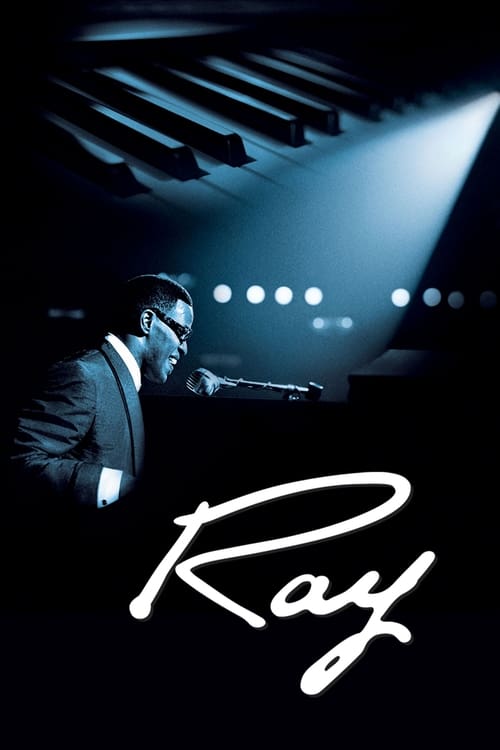
Ray (2004) is a compelling biographical drama that centers on the life of Ray Charles, emphasizing Black identity and the realities of disability within the American musical landscape. It avoids the trap of inspirational stories by presenting Charles's blindness as part of his personal strength rather than a mere plot device. The film's strength lies in its honest portrayal of systemic oppression and the exploitation of Black artists during the Jim Crow era. It goes beyond a straightforward success story to explore the tension between individual talent and societal restrictions. However, the film is constrained by the social norms of its period. It lacks LGBTQ+ representation and adheres to traditional gender roles, where female characters often exist to support the male lead.
Category Breakdown
The film does not include any non-straight or non-cisgender identities or stories. It follows the conventional norms of its time setting.
The protagonist's mother is portrayed as fiercely independent, but the overall narrative leans towards traditional gender roles. Female characters frequently serve as emotional stabilizers or victims of the male lead's behavior.
The film highlights a Black protagonist in the context of Southern segregation, providing deep insights into the Black experience, including the socioeconomic struggles of sharecropping and industrial exploitation.
The narrative critiques traditional Western institutions and racialized legal structures while offering a nuanced view of capitalism through the music industry.
The film offers a thoughtful portrayal of visual impairment, focusing on how Charles navigates his environment through music rather than relying on pity.
Present on Screen
Limited or Absent
Official Synopsis
Born on a sharecropping plantation in Northern Florida, Ray Charles went blind at seven. Inspired by a fiercely independent mom who insisted he make his own way, He found his calling and his gift behind a piano keyboard. Touring across the Southern musical circuit, the soulful singer gained a reputation and then exploded with worldwide fame when he pioneered coupling gospel and country together.
2014
1979

2004
1980

2021

2015
2015
1982
No reviews yet. Be the first to share your thoughts on this movie!
Use the rating form above to leave a star rating and optional review.