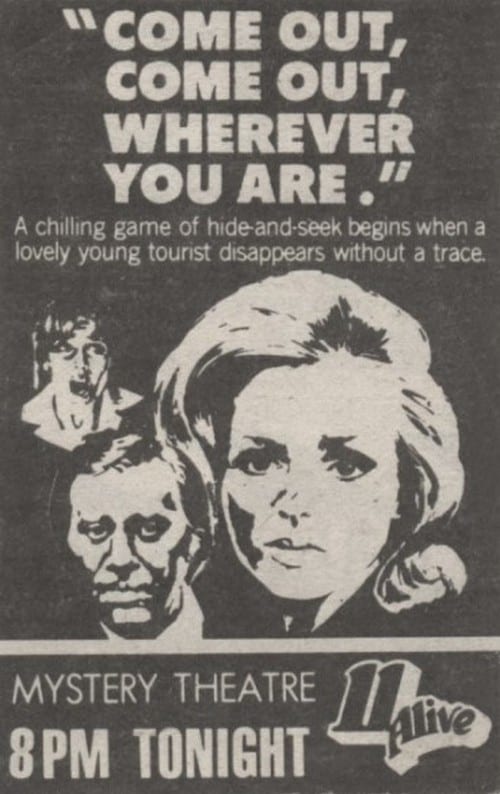
Come Out, Come Out, Wherever You Are
1974
No user ratings available yet
Diversity score: 3.4 out of 10
1975
Director
Sutton Roley
Runtime
74 minutes
Average Rating
No ratings yetSynopsis
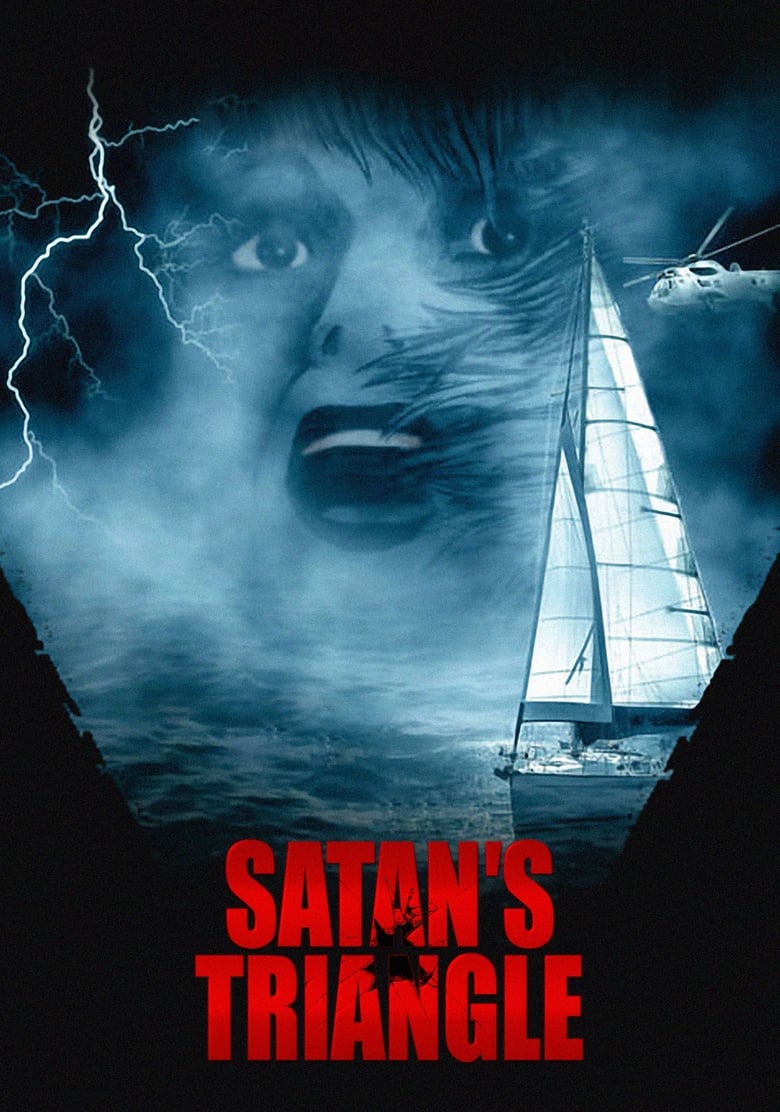
The female survivor of a shipwreck and two Coast Guard helicopter pilots sent to rescue her find themselves trapped in a mysterious part of the ocean known as Satan's Triangle.
Overall Score
Limited
Category Breakdown
LGBTQ+ Representation
The film lacks evidence of non-cisnormative identities. It appears to adhere to the standard social frameworks of 1975 television.
Gender Representation
A female survivor is central to the plot, but she may function as a passive subject. The rescue mission by male pilots suggests a traditional gender hierarchy.
Racial & Ethnic Diversity
There is no indication of a diverse or non-white cast. The narrative reflects the homogeneous casting standards typical of mid-70s American television.
Religious & Cultural Diversity
The story relies on traditional suspense and supernatural tropes. It follows standard Western adventure-mystery structures without offering significant cultural critique.
Disability Representation
No information is available regarding the inclusion of characters with physical or neurodivergent disabilities.
Strengths
Areas for Improvement
AI Analysis
Satan's Triangle is a genre-driven mystery that prioritizes survival and supernatural tension over social complexity. The narrative follows mid-70s adventure tropes, focusing on a localized rescue mission within a high-stakes environment. The film reflects the conventional media landscape of its era. It lacks visible intersectional complexity or systemic narrative disruption, leaning instead on established television archetypes. Because the character dynamics and interpersonal power structures are not detailed, the film appears to function as a standard period telefilm rather than a progressive work.
No reviews yet. Be the first to share your thoughts on this movie!
Use the rating form above to leave a star rating and optional review.