Lone Cowboy
1933
No user ratings available yet
Representation score: 1.4 out of 10
Representation Score
Minimal
1954
NRDirector
Allan Dwan
Runtime
84 minutes
Average Rating
No ratings yetNew Showbiz Analysis
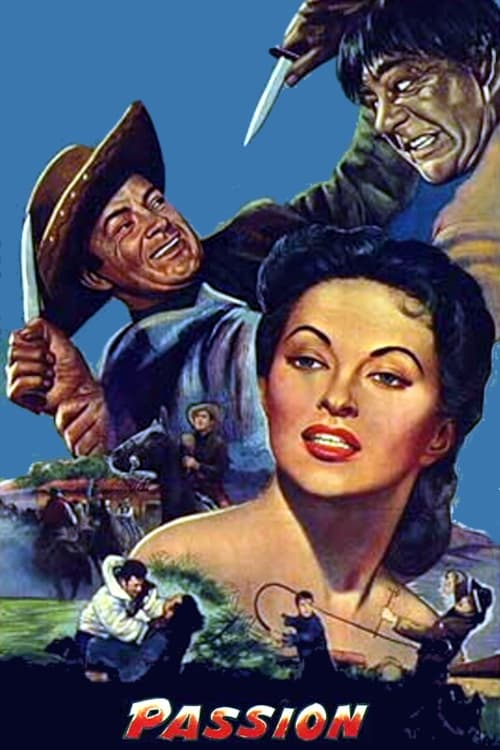
Passion is a quintessential mid-century adventure-western that prioritizes genre clichés and romantic melodrama. The narrative structure reinforces established social hierarchies, focusing on a restorative arc where the protagonist seeks to validate his family status and resolve land disputes. While the Spanish California setting provides a specific cultural backdrop, the film lacks the intention to challenge systemic power dynamics. It functions as a traditional tale of revenge and property protection rather than a complex character study. Ultimately, the film adheres to the cinematic conventions of its era, favoring traditional gender roles and heterosexual romance over any subversion of social norms.
Category Breakdown
The film follows a traditional framework focused on heterosexual relationships. The romantic tension centers on the protagonist’s desire to formalize a traditional marriage with the female lead.
Traditional gender roles dominate the narrative. Although Tonya is portrayed as a tomboy, women primarily serve as emotional anchors or figures needing protection within a patriarchal structure.
Set in Spanish California, the film uses an ethnic landscape as a backdrop. However, the focus remains on Western-centric clichés and individualist heroism rather than exploring diverse identities deeply.
The story emphasizes individualist heroism and property rights. Conflicts revolve around land titles and family lineage, upholding traditional notions of justice and order.
The narrative focuses on physical prowess and wilderness adventure. There are no characters with visible or invisible disabilities.
Present on Screen
Limited or Absent
Official Synopsis
In old Spanish California, dashing cattleman Juan Obregon returns to the rancho of his friend Gaspar Melo, to find he's fathered a son on Rosa, one of Gaspar's identical twin daughters. Overjoyed, he plans to formalize his "unofficial" marriage. But trouble brews; Melo's land is of unclear title and the new Don Domingo hopes to grab it for his own profit. Violence results. Without even knowing who survived, Juan (accompanied by Rosa's tomboy sister Tonya) rides for revenge, through spectacular pastoral and wilderness scenery.
1933
1930

1978
1946
1951

1958
1953
1975
No reviews yet. Be the first to share your thoughts on this movie!
Use the rating form above to leave a star rating and optional review.