
Monday Begins on Saturday
1965
No user ratings available yet
Representation score: 4.9 out of 10
Representation Score
Limited
1983
Director
Yevgeni Gerasimov, Aleksandr Mayorov, Semyon Morozov
Runtime
87 minutes
Average Rating
No ratings yetNew Showbiz Analysis
This Mosfilm anthology serves as a sociological study of Soviet life, covering themes from rural-to-urban migration to institutional ethics. While the tripartite structure limits deep character development, the stories effectively explore the tension between individual ambition and systemic integrity. The film's strength lies in its willingness to engage with complex moral questions. Instead of presenting simple triumphs, the narratives introduce skepticism toward authority and prioritize ethical integrity over careerism. However, the work is limited by the historical context of its era. It maintains a high degree of demographic homogeneity and adheres to traditional social and romantic roles typical of 1983 productions.
Category Breakdown
The film follows the traditional romantic pairings and professional ethics typical of 1983 Soviet cinema, with no indication of non-traditional sexual or gender identities.
Gender roles adhere to conventional social structures. While the film uses traditional courtship clichés, the final part slightly subverts expectations by highlighting a male researcher's professional role.
The cast reflects the demographic homogeneity of the time, primarily featuring ethnically Slavic actors. The settings of Moscow and provincial villages do not show intentional racial diversity.
The film excels in critiquing systemic issues. By portraying a promotion as a moral crisis involving unfair dismissal, it challenges idealized views of institutional authority.
There are no visible or mentioned depictions of physical or neurodivergent disabilities within the provided narrative segments.
Present on Screen
Limited or Absent
Official Synopsis
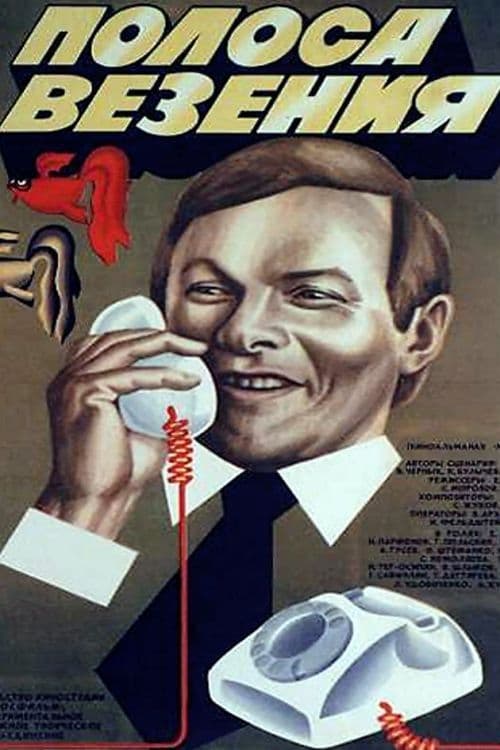
The fifth film in a Mosfilm "youth" anthology series comprising three short stories. The first story, 'Vizit' (The Visit), directed by filmmaker turned politician Yevgeni Gerasimov, tells the story of a rural boy visiting his former village girlfriend, now living in Moscow. Next comes a short film by Aleksandr Majorov called 'Zolotye rybki' (Goldfishes), which is based on a story of a magical goldfish brought from a provincial pet store by the late Russian historian and science-fiction and fantasy writer Kir Bulychyov. The final segment and the title of the film, 'Polosa vezeniya' (Streak of Luck), tells the story of a member of staff at a research institute who is offered the job of department head but has second thoughts when he discovers the previous boss was unfairly dismissed.
1965
1973
1991

2011

1984
1966
1969
1993
No reviews yet. Be the first to share your thoughts on this movie!
Use the rating form above to leave a star rating and optional review.