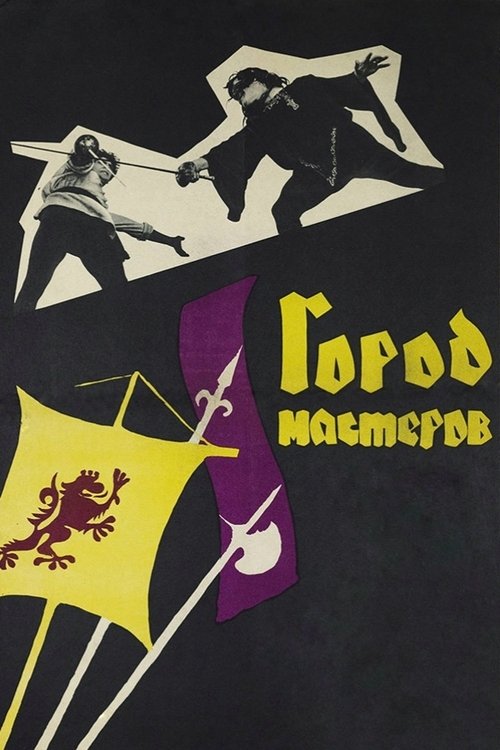
The City of Masters
1965
No user ratings available yet
Representation score: 4.9 out of 10
Representation Score
Limited
1966
Director
Aleksey Batalov, Iosif Shapiro
Runtime
92 minutes
Average Rating
No ratings yetNew Showbiz Analysis
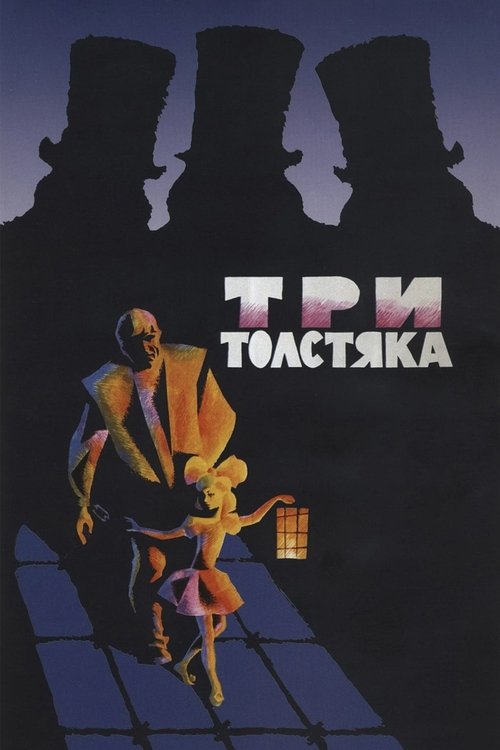
Three Fat Men is a sophisticated socio-economic fable that emphasizes class struggle over individual pursuits. Its strength lies in its powerful critique of systemic greed and the concentration of power by a decadent elite. While the film effectively portrays the struggles of the working class, it remains traditionally focused, lacking modern markers of diversity, especially concerning race and LGBTQ+ identities.
Category Breakdown
The film adheres to traditional structures typical of mid-century fairy tales, with no depiction of non-binary gender identities or same-sex relationships.
Suok subverts the damsel-in-distress cliché through her bravery and strategic thinking, though the film still relies on conventional gender roles.
The casting primarily features Slavic actors, reflecting the cultural context of the 1966 Soviet Union. The film does not aim to represent a diverse, globalized society.
The story sharply critiques systemic corruption and concentrated wealth, focusing on the working class fighting against an oppressive, wealthy ruling elite.
There are no prominent depictions of visible or invisible disabilities used as central character traits or plot devices.
Present on Screen
Limited or Absent
Official Synopsis
A fairy tale film about the clever tightrope walker Tibule, who fights alongside the armorer Prospero and all the working people against the tyrants, the three Fat Men, who rule the state until the young heir Tutti comes of age. The freedom fighters are aided by the kind Dr. Gaspar and the brave acrobat girl Suok, who has to pretend to be a doll to sneak into the palace and free Prospero.
1965

1965
1975
1986
1987

1977
1977
1987
No reviews yet. Be the first to share your thoughts on this movie!
Use the rating form above to leave a star rating and optional review.