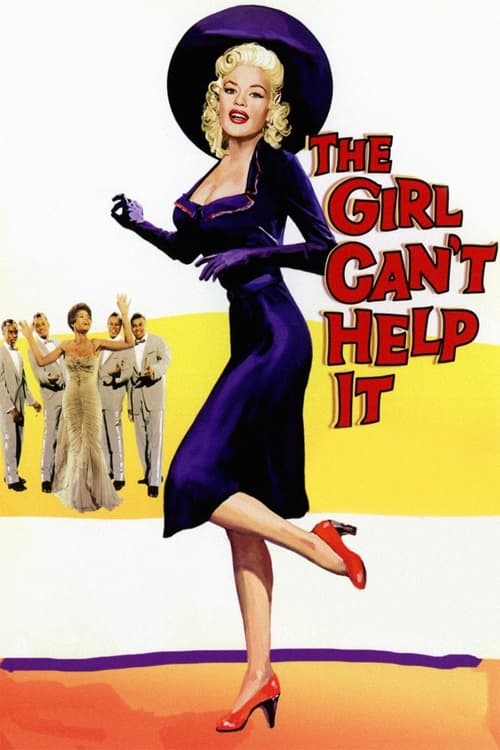
The Girl Can't Help It
1956
No user ratings available yet
Representation score: 2.3 out of 10
Representation Score
Minimal
1959
NRDirector
Val Guest
Runtime
111 minutes
Average Rating
No ratings yetNew Showbiz Analysis
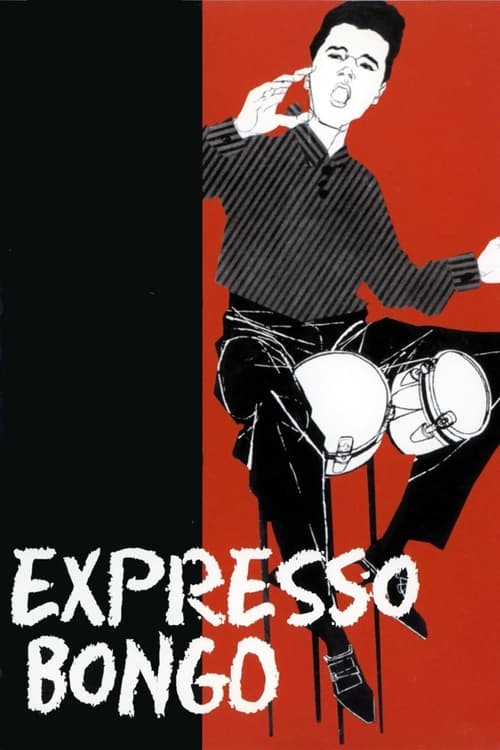
Expresso Bongo serves as a cynical social satire rather than a platform for diverse representation. While it effectively dismantles the myth of the pop star, it does so through a lens that aligns with the demographic norms of 1959. The film's strength lies in its cultural critique of capitalist greed and the hustle of the music industry. However, this thematic depth does not extend to social diversity, as the cast and character dynamics remain largely uniform.
Category Breakdown
The film does not include any LGBTQ+ characters or non-cisgender identities. The social setting adheres strictly to the conventions of the time, focusing on heterosexual relationships.
The story focuses on male ambitions and the music industry. Female characters mainly serve as romantic interests or background figures, fitting into traditional gender roles.
The cast is predominantly white, reflecting the limitations of the era. There is a noticeable lack of racial or ethnic diversity in the London music scene portrayed.
The film provides a sharp critique of the commercial machinery of the entertainment industry. It satirizes the empty pursuit of stardom and the commercialization of art.
There are no visible or invisible disabilities portrayed. No characters have stories centered around neurodivergence or physical impairments.
Present on Screen
Limited or Absent
Official Synopsis
A seedy London promoter turns a naive, working-class teenager into a pop singing sensation.
1956
1963
1956

1963

1965
1959

1958
1959
No reviews yet. Be the first to share your thoughts on this movie!
Use the rating form above to leave a star rating and optional review.