Assassination Tango
2003
No user ratings available yet
Representation score: 6.9 out of 10
Representation Score
Fair
2005
Director
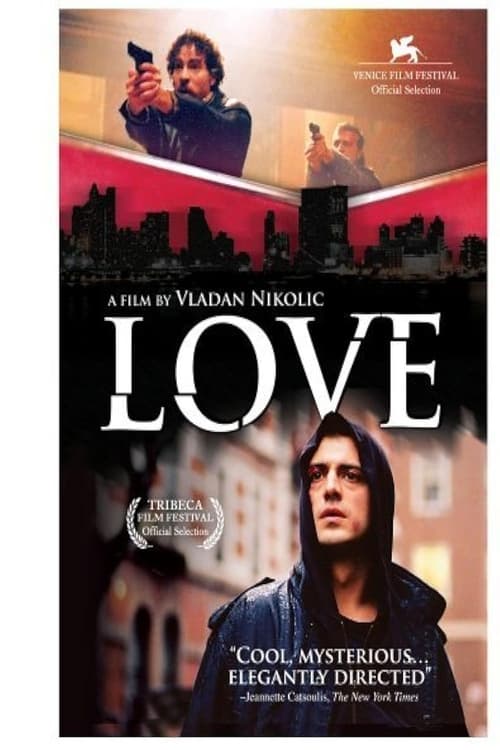
Vladan Nikolić
Runtime
90 minutes
Average Rating
No ratings yetNew Showbiz Analysis
The film's primary strength lies in its sophisticated handling of ethnic and nationalistic identity. By focusing on a protagonist whose identity is shaped by the Bosnian War, the story moves beyond simple ethnic binaries to explore the fluidity of post-conflict identity. However, the narrative appears heavily reliant on conventional relationship dynamics. The focus on a traditional romantic triangle and the lack of visible ability to act for female characters suggest a more traditional approach to gender and sexuality. Ultimately, while the film excels at deconstructing geopolitical labels, it lacks breadth in other representational areas, particularly regarding LGBTQ+ and disability themes.
Category Breakdown
The film focuses on a traditional romantic triangle involving an ex-wife and her new partner. There are no LGBTQ+ characters or narratives that challenge traditional relationships.
The story centers on a web of interconnected lives involving both male and female characters. However, the female characters do not have clear roles that challenge traditional gender hierarchies or demonstrate a significant role in driving the story.
The protagonist provides a nuanced look at ethnic identity after the Bosnian War. His status as an orphan disrupts simplistic narratives of being solely Serb, Croat, or Muslim.
The narrative critiques the collapse of state structures and the impact of geopolitical conflicts. It portrays criminal behavior as a result of historical trauma rather than inherent evil.
There is no information regarding the depiction of physical, sensory, or neurodivergent disabilities.
Present on Screen
Limited or Absent
Official Synopsis
In New York, an absurd coincidence links the lives of a Yugoslavian hitman, his ex-wife and her new partner, a policeman whose father was a criminal. His code name is "Uncle Vanya". He grew up in Bosnia, an orphan of both parents and, having never met them, he does not know whether he is a Serb, a Croat or a Muslim. A victim of his fate and his past in war-torn Bosnia, he has become a hitman. He would like to stop killing but he can't.
2003
1994
2010
2005

2009

1994

2009
1998
No reviews yet. Be the first to share your thoughts on this movie!
Use the rating form above to leave a star rating and optional review.