
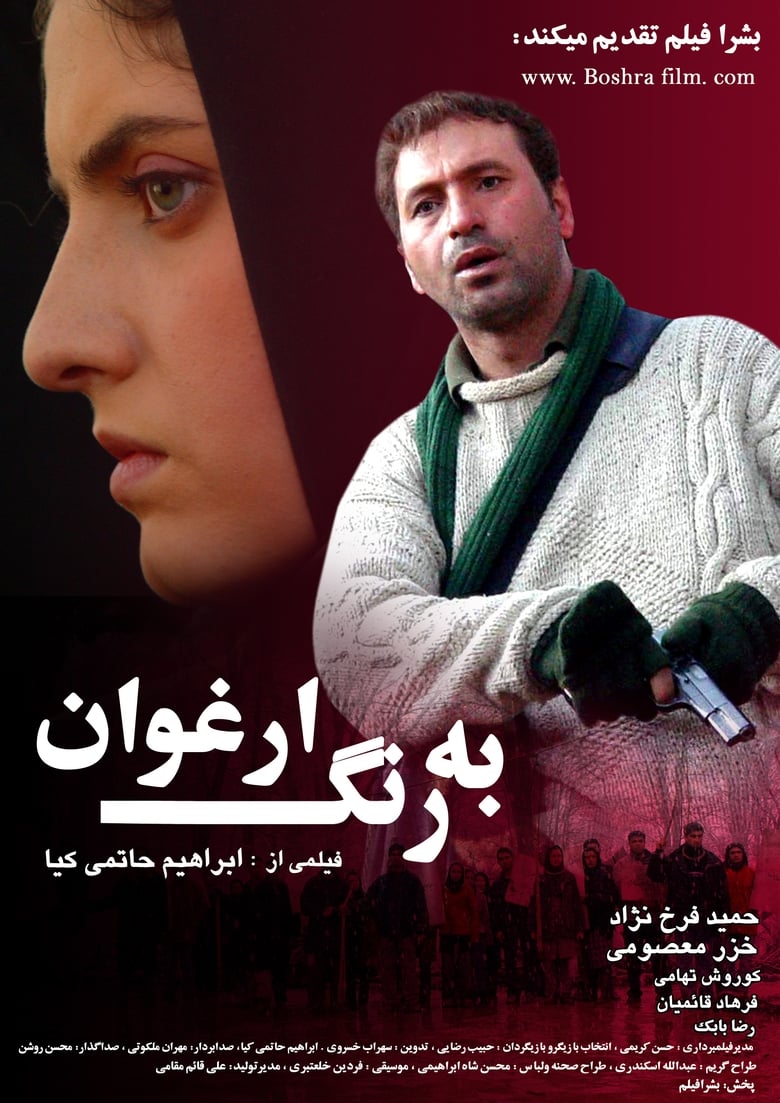
Imagining Argentina
2003
No user ratings available yet
Diversity score: 6.3 out of 10
2010
Director
Ebrahim Hatamikia
Runtime
97 minutes
Average Rating
No ratings yetSynopsis
An undercover Iranian intelligence officer investigates the political status of a college student, whose parents were active members of the mujahedin khalgh radical group.
Overall Score
Fair
Category Breakdown
LGBTQ+ Representation
The film lacks explicit confirmation of non-cisnormative identities or same-sex narratives. Any themes of personal liberation may remain relegated to subtext within this state-regulated cinematic environment.
Gender Representation
The story focuses on a student's political status and their parents' legacy. Female characters likely serve as moral anchors or victims of the political upheaval surrounding the investigation.
Racial & Ethnic Diversity
As an Iranian production, the film provides a non-Western perspective. It centers Middle Eastern political dynamics and internal societal conflicts rather than Anglo-Saxon narrative norms.
Religious & Cultural Diversity
The narrative offers high cultural complexity by exploring political radicalism and state power. It engages with systemic friction through the lens of a radicalized family legacy.
Disability Representation
There is no evidence regarding the portrayal of physical or neurodivergent disabilities in this production.
Strengths
Areas for Improvement
AI Analysis
Ebrahim Hatamikia’s drama offers a significant departure from Western cinematic hegemony by centering on Iranian political dynamics. The film explores the tension between state intelligence and radicalized student movements, providing a deep dive into regional identity frameworks. While the film excels in cultural complexity and non-Western perspective, it remains limited in its explicit representation of marginalized identities. The narrative focus is heavily weighted toward political dissent and systemic authority rather than social diversity. Ultimately, the film serves as a specialized look at Middle Eastern societal conflicts, prioritizing ideological struggle over a broad spectrum of identity representation.
2003

2012

2009

2008

2002
No reviews yet. Be the first to share your thoughts on this movie!
Use the rating form above to leave a star rating and optional review.