Dedication
2021
No user ratings available yet
Representation score: 5.7 out of 10
Representation Score
Good
2019
Director
Yu Eun-jeong
Runtime
90 minutes
Average Rating
No ratings yetNew Showbiz Analysis
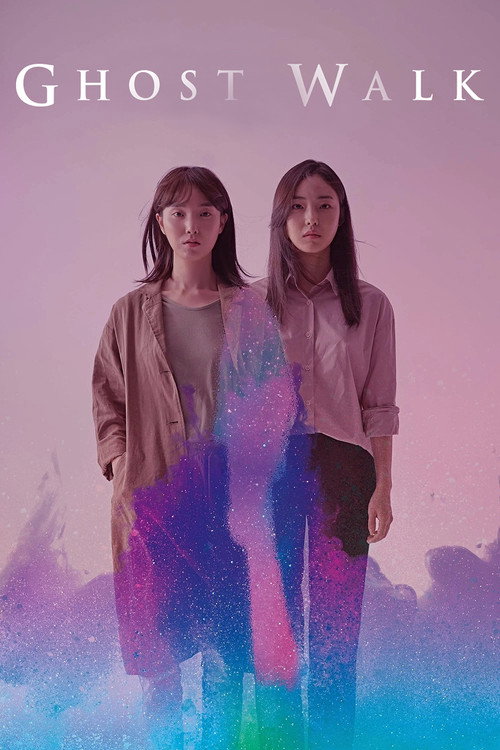
Ghost Walk serves as a character study exploring existentialism and social exclusion. It prioritizes the deconstruction of traditional roles, such as family and stable employment, in favor of a metaphysical exploration of the self. The film avoids overt identity politics, instead using the protagonist's 'meaningless' existence to critique modern institutional structures. It transitions from a rigid, industrial reality into a supernatural state to explore identity. While the film lacks specific markers for LGBTQ+ or disability representation, its strength lies in its subversion of cultural expectations regarding social cohesion and the visibility of the working class.
Category Breakdown
The film does not provide any direct indication of queer identity or non-straight relationships. The protagonist’s detachment from family life might hint at a departure from social norms, but her specific orientation remains unspecified.
The story focuses on a female protagonist dealing with loneliness and industrial work. By highlighting her existential alienation in a factory setting, the film potentially challenges traditional gender roles.
As a South Korean production, the film primarily features characters from a similar ethnic background. It does not explicitly address diversity but rather focuses on universal themes of urban alienation.
The narrative challenges traditional Confucian values by emphasizing the protagonist's detachment from family and social bonds. The use of ghosts as a metaphor effectively highlights the invisibility of the working class.
The protagonist's extreme loneliness and social withdrawal touch upon themes related to mental health. However, these traits are not explicitly highlighted as central identities or addressed with specific empowerment.
Present on Screen
Limited or Absent
Official Synopsis
Hye-jeong, a lonely young girl who has drifted away from her family and avoids personal relationships, works in a factory, lives in a shared apartment, and leads an insipid and meaningless existence until one night she discovers that she has become a ghost.
2021
2010

2016

1999

2023
2022
2018

1998
No reviews yet. Be the first to share your thoughts on this movie!
Use the rating form above to leave a star rating and optional review.