A Peck of Trouble
1968
No user ratings available yet
Representation score: 0.4 out of 10
Representation Score
Minimal
1963
Director
Sid Marcus
Runtime
7 minutes
Average Rating
No ratings yetNew Showbiz Analysis
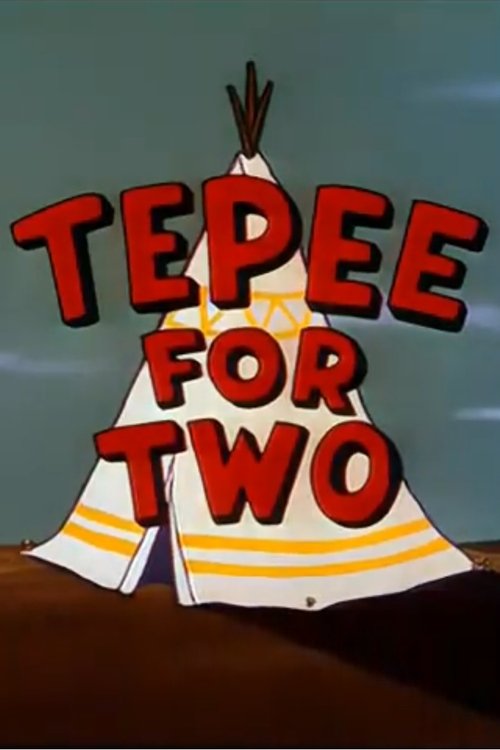
Tepee for Two is a conventional comedic piece that functions as a product of its era. It relies on established genre clichés and mid-century studio models rather than attempting to challenge social hierarchies or deconstruct narrative norms. The film reinforces traditional social and gendered hierarchies. It lacks the intentionality required to disrupt cultural norms, focusing instead on standard romantic binaries and survival-based comedic plots. Ultimately, the work provides very little representation of diverse identities. It remains a homogeneous production that avoids any meaningful exploration of racial, ethnic, or non-assuming gender matches what was assigned at birth identities.
Category Breakdown
The film strictly follows the assumption that everyone is straight or cisgender. There is no evidence of non-binary gender identities or same-sex relationships.
The movie uses the 'battle of the sexes' cliché common to 1960s comedies. While the main characters play a significant role, the dynamics reinforce traditional gender conflicts rather than challenging them.
The film features a homogeneous cast typical of the period. There is no evidence of diverse casting or non-white characters driving the narrative.
The story operates within a traditional Western framework. It lacks critiques of Western institutions like the nuclear family or capitalism, presenting themes through a conventional lens.
There is no discernible evidence within the narrative to suggest the inclusion of characters with visible or invisible disabilities.
Present on Screen
Limited or Absent
Official Synopsis
When Woody makes way too much racket with his TV set and musical instruments, his neighbors have had enough and evict him from the entire city...
1968
1962
1959
1962
1958
1955
1952
1968
No reviews yet. Be the first to share your thoughts on this movie!
Use the rating form above to leave a star rating and optional review.