
Lafangey Parindey
2010
No user ratings available yet
Representation score: 3.8 out of 10
Representation Score
Good
2007
Director
Natasha Arthy
Runtime
90 minutes
Average Rating
No ratings yetNew Showbiz Analysis
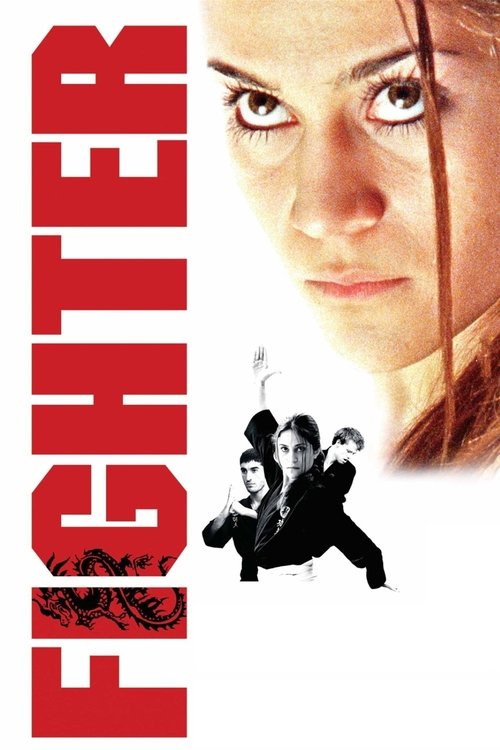
Fighter is a compelling look at individual empowerment against the backdrop of cultural assimilation. It succeeds by focusing on a protagonist whose self-realization is achieved through physical discipline and the subversion of domestic roles. The film's strength lies in its nuanced approach, particularly how it integrates ethnicity, gender, and personal autonomy. By featuring a Turkish-British girl in a traditionally masculine sport, it challenges both gendered and cultural expectations. While the romantic storyline adheres to traditional heterosexual frameworks, the film's exploration of identity remains deeply engaging. It adeptly navigates the complexities of navigating a diaspora identity within a modern urban environment.
Category Breakdown
The story focuses on a heterosexual relationship between Aïcha and Emil. Though it doesn't explicitly include queer identities, the theme of discovering oneself outside societal roles provides room for identity exploration.
Aïcha challenges gendered hierarchies through her physical abilities and active role in kung fu. The film emphasizes her autonomy over the passive roles often given to female protagonists in teen dramas.
The film showcases a Turkish-British protagonist in a diverse London setting. It avoids monolithic clichés by delving into the unique blend of immigrant heritage and second-generation identity.
The narrative examines the tension between traditional family authority and secular self-determination. It depicts traditional structures as sources of pressure rather than purely positive guidance.
There are no prominent depictions of visible or invisible disabilities within the story.
Present on Screen
Limited or Absent
Official Synopsis
Aïcha, a high-school student, is a passionate kung fu fighter. Her Turkish parents expect her to get good grades so she can get into medical school, like her brother Ali. But school doesn´t inspire her. Defying her family, Aïcha starts secretly training at a professional, co-ed kung fu club. A boy, Emil, helps Aïcha train for the club championship and they fall in love. But the rules of life are not as simple as the rules of kung fu, and Aïcha is forced to decide who she is and what she wants.
2010

2013

1998

2006

2014

2002

2011

2008
No reviews yet. Be the first to share your thoughts on this movie!
Use the rating form above to leave a star rating and optional review.