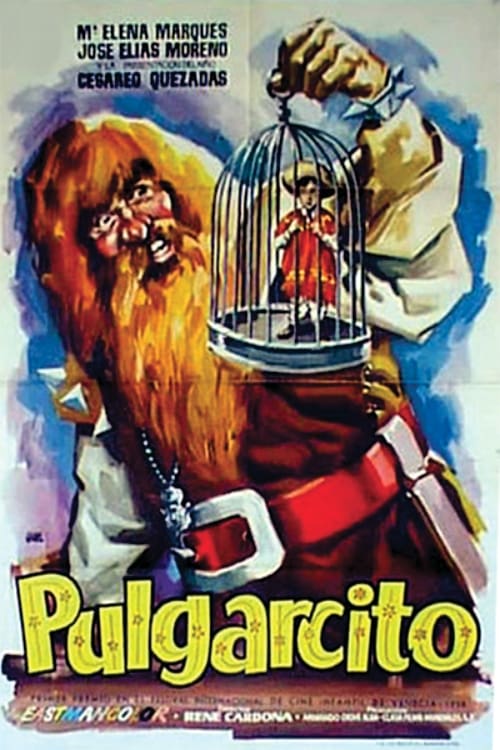
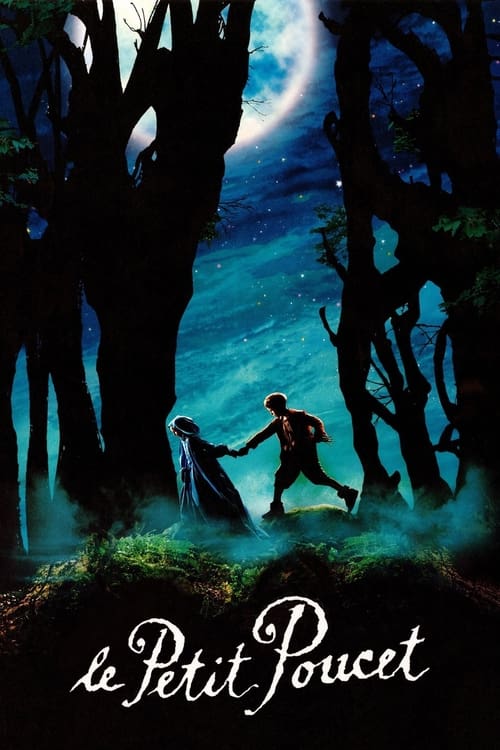
Tom Thumb
1958
No user ratings available yet
Representation score: 3.9 out of 10
Representation Score
Good
2011
Director
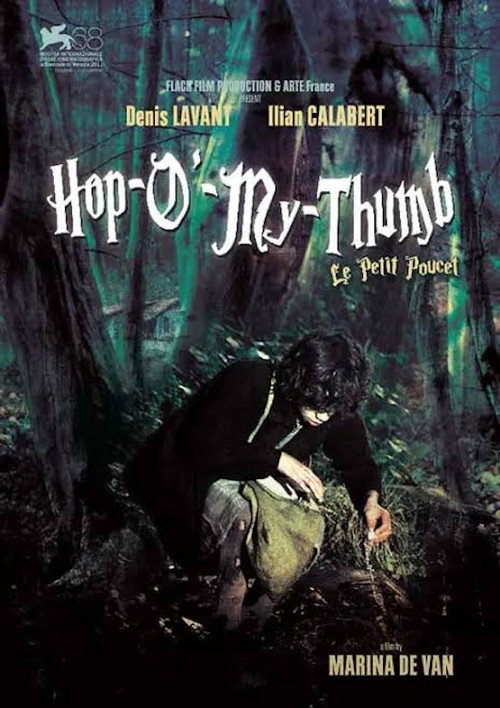
Marina de Van
Runtime
83 minutes
Average Rating
No ratings yetNew Showbiz Analysis
Marina de Van’s film functions as a stylistic deconstruction of the fairy tale genre. It prioritizes surrealism and archetypal storytelling over explicit social advocacy or identity-based narratives. The work earns moderate marks by challenging traditional hierarchies of age and authority. By portraying adults as unpredictable or predatory, the film shifts the focus toward the resilience of the individual protagonist. However, the film lacks depth in exploring race, disability, or LGBTQ+ identities. It remains preoccupied with the grotesque and the surreal, leaving little room for meaningful representation of these issues.
Category Breakdown
The film focuses on simple, fable-like interactions between a child and adults. There are no explicit depictions of LGBTQ+ identities or relationships that go beyond the assumption that everyone is straight.
The story disrupts power dynamics by centering a child's role against a chaotic adult world. It challenges the idea of the competent adult by focusing on individual resilience rather than traditional gender roles.
The stylized, abstract setting obscures specific ethnic or racial markers. While it avoids actively whitewashing, the film does not use race as a central narrative driver or explore diverse backgrounds deeply.
The narrative critiques conventional social structures by presenting a world of moral ambiguity. It avoids traditional Western stability, focusing instead on survival and non-conformity within a fractured landscape.
There is no evidence of characters with visible or invisible disabilities. Differences are treated as folkloric or stylistic elements rather than nuanced explorations of neurodivergence or disability.
Present on Screen
Limited or Absent
Official Synopsis
Children encounter a kid-eating ogre.
1958
2007
2003
1998
2005
2024
2001
1990
No reviews yet. Be the first to share your thoughts on this movie!
Use the rating form above to leave a star rating and optional review.