Damascus Time
2018
No user ratings available yet
Representation score: 3.3 out of 10
Representation Score
Fair
2016
Director
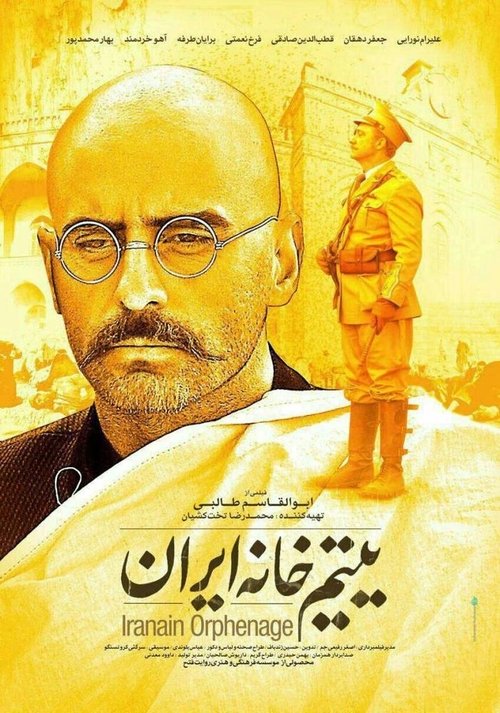
Abholghassem Talebi
Runtime
114 minutes
Average Rating
No ratings yetNew Showbiz Analysis
Iranian Orphanage serves as a stark social critique of systemic negligence and human trafficking. Its primary strength lies in its commitment to centering Middle Eastern voices, providing a nuanced look at the Iranian diaspora under extreme duress. By focusing on the friction between migrant identities and host-country systems, the film challenges perceptions of Western institutional stability. However, the film lacks depth in representing diverse identities. The absence of LGBTQ+ characters and specific disability narratives limits its scope. While the trauma of the subjects is evident, it is framed through the lens of exploitation rather than as a study of specific identities.
Category Breakdown
The film focuses entirely on the survival and exploitation of refugee children. There are no characters or narratives addressing LGBTQ+ identities or non-traditional gender roles.
The narrative deconstructs traditional male leadership by portraying the male authority figure as a criminal exploiter. It highlights the vulnerability of children regardless of gender.
The documentary centers the lived experiences of Iranian refugees in Australia. It provides a significant role in driving the story to Middle Eastern subjects navigating Western legal frameworks.
The film critiques systemic failures and post-colonial themes regarding migration. It highlights the socioeconomic precarity of the refugee experience within Western institutions.
The subjects exhibit extreme psychological and physical vulnerability due to trauma. However, these vulnerabilities are treated as symptoms of abuse rather than central disability identities.
Present on Screen
Limited or Absent
Official Synopsis
The story of courage and sacrifice of Iranians in the time of war and famine.
2018

2000
2011

2004
1990

2017
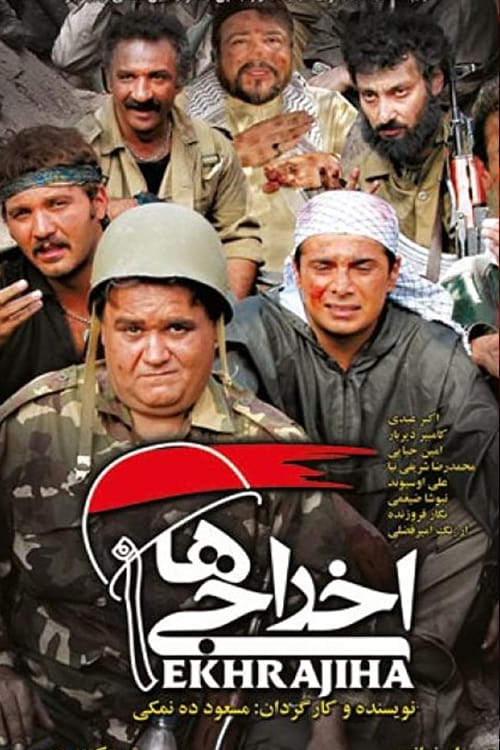
2007
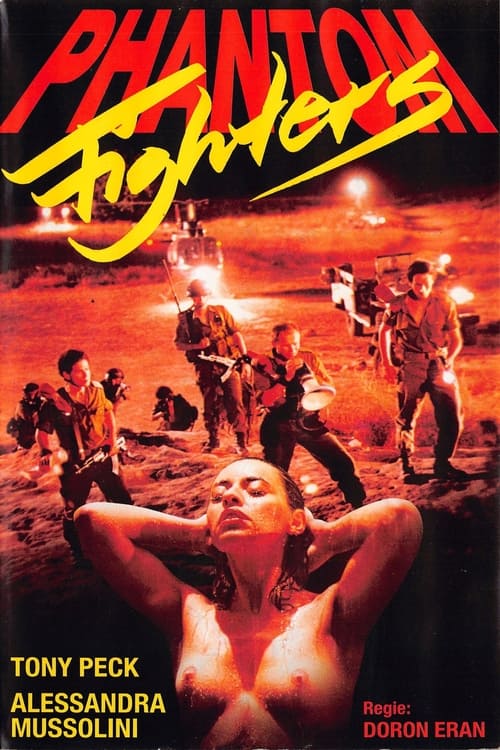
1990
No reviews yet. Be the first to share your thoughts on this movie!
Use the rating form above to leave a star rating and optional review.