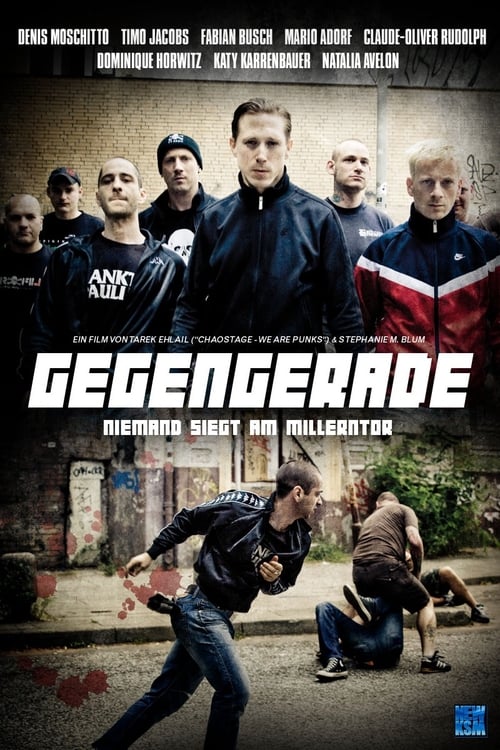
Gegengerade
2011
No user ratings available yet
Representation score: 7.6 out of 10
Representation Score
Fair
1990
Director
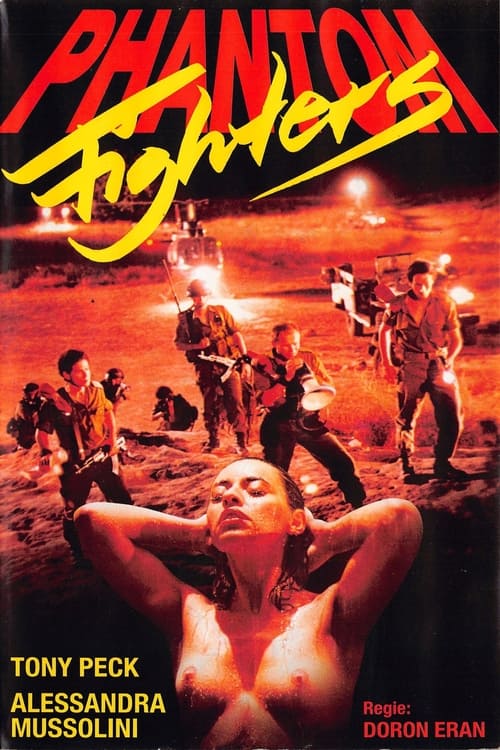
Doron Eran
Runtime
90 minutes
Average Rating
No ratings yetNew Showbiz Analysis
The film functions as a moderate representation of progressive values, driven by its thematic commitment to dystopian critique. It explores the deconstruction of social orders and the breakdown of state authority. While the narrative structure challenges institutional permanence, it lacks explicit evidence of multi-layered identity politics. There is no documented representation of LGBTQ+ or disability issues within the available material. Ultimately, the film's strength lies in its systemic view of human conflict rather than its focus on individual identity-based diversity.
Category Breakdown
The film does not include explicit LGBTQ+ characters or non-cisgender identities. The storyline centers on a large-scale civil war, emphasizing survival over personal identity issues.
The presence of Alessandra Mussolini in the main cast suggests that women play a significant role in the action-drama. However, it is unclear whether the film challenges traditional gender clichés or follows them.
Set within a specific Israeli political context, the film reflects local demographics. The narrative focuses on a national struggle rather than incorporating diverse racial backgrounds.
The story critiques institutional stability by focusing on a future civil war and a fight for freedom. This dystopian framework allows for a systemic critique of state and military structures.
There is no documented evidence regarding the portrayal of physical or neurodivergent disabilities in the film's cast or synopsis.
Present on Screen
Limited or Absent
Official Synopsis
Struggle for freedom during a future civil war in Israel.
2011

2009

2011

2005
1988
2016

1986
2013
No reviews yet. Be the first to share your thoughts on this movie!
Use the rating form above to leave a star rating and optional review.