The Contest
2013
No user ratings available yet
Representation score: 5.7 out of 10
Representation Score
Excellent
2010
Director
Franziska Buch
Runtime
96 minutes
Average Rating
No ratings yetNew Showbiz Analysis
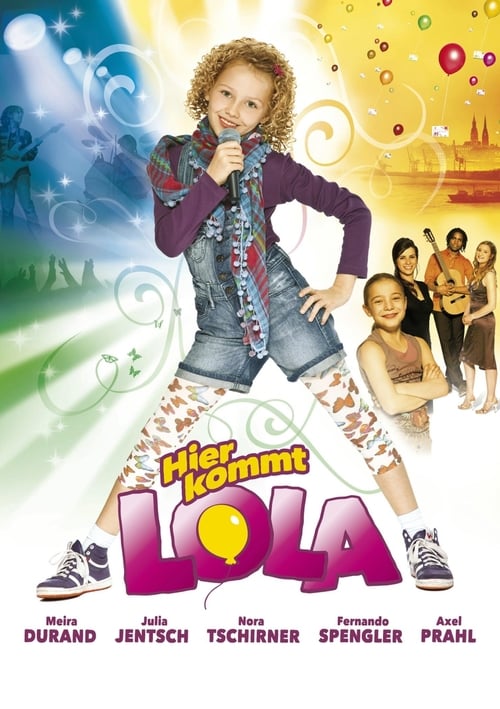
The film stands out for its intentional use of multi-layered identity. By centering a protagonist of mixed Brazilian and German heritage, it provides a nuanced view of multiculturalism within a modern German setting. While the narrative avoids overt political or systemic critiques, it succeeds in offering a progressive departure from singular-identity storytelling. The focus on a diverse, ability to act-driven female lead provides a refreshing perspective for family media. However, the film remains neutral on several fronts, lacking representation for LGBTQ+ identities or disability.
Category Breakdown
The film does not include any explicit mention of LGBTQ+ characters or themes. The story focuses on the protagonist's musical aspirations and her search for friendship.
Lola is a central female protagonist whose role is defined by her personal ambitions and social goals. This shifts the perspective away from traditional male-centric adventure stories.
The film features a multicultural household through Lola, the daughter of a Brazilian father and a German mother. This choice disrupts the depiction of homogeneous families in European dramas.
The story operates within a standard contemporary Western social framework. It focuses on personal expression and individual dreams rather than a critique of Western institutions or religious structures.
There is no information regarding the inclusion of characters with physical or neurodivergent disabilities. The film does not address these specific representations.
Present on Screen
Limited or Absent
Official Synopsis
A nine-year-old girl who has just moved with her parents to Hamburg, Germany, is desperate for finding a best friend. The daughter of a Brazilian father and German mother, Lola is a little girl who dreams she's a rock star, but mostly dreams of having a best friend.
2013

2022
2010
1997
2008

1999
1999
2016
No reviews yet. Be the first to share your thoughts on this movie!
Use the rating form above to leave a star rating and optional review.