Rock Dog
2016
No user ratings available yet
Representation score: 1.8 out of 10
Representation Score
Fair
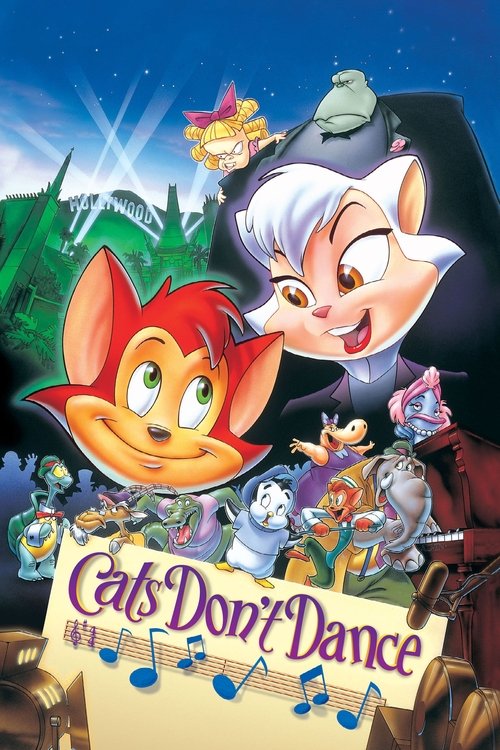
1997
GDirector
Mark Dindal
Runtime
75 minutes
Average Rating
No ratings yetNew Showbiz Analysis
Cats Don't Dance serves as a sophisticated commentary on the Hollywood studio system. It uses animal characters to explore the tension between systemic gatekeeping and individual ability to act. The film disrupts traditional musical clichés by depicting the industry as a rigid structure enforcing conformity. The narrative's strength lies in its allegorical depth. By portraying the establishment as a corrupt entity, the film mirrors the real-world struggles of underrepresented groups fighting for visibility within rigged social hierarchies. This provides a progressive thematic layer rarely seen in family animation. However, the film's lack of explicit representation for LGBTQ+ identities and disabilities limits its breadth. While the allegorical approach is intellectually stimulating, it does not provide direct visibility for these specific communities.
Category Breakdown
The film does not include explicit LGBTQ+ identities or non-straight relationships. The character dynamics stay within traditional heterosexual norms.
Sawyer provides strong representation by playing a significant role in the story. She avoids being a passive character and actively participates in the musical sequences.
The film uses species-based casting as a metaphor for racial and ethnic typecasting. The protagonist's troupe represents underrepresented outsiders fighting against a uniform establishment.
The narrative sharply critiques the capitalist studio system and Western institutional power. It deconstructs the myth of the American Dream by portraying authority as deceptive.
There is no explicit focus on visible or invisible disabilities. While the plot emphasizes physical dexterity and performance, disability is not a central narrative driver.
Present on Screen
Limited or Absent
Official Synopsis
An ambitious singing and dancing cat in 1939 Hollywood overcomes several obstacles to fulfill his dream of becoming a movie star.
2016

1999
1991
2000

2011
1972
2005
1979
No reviews yet. Be the first to share your thoughts on this movie!
Use the rating form above to leave a star rating and optional review.