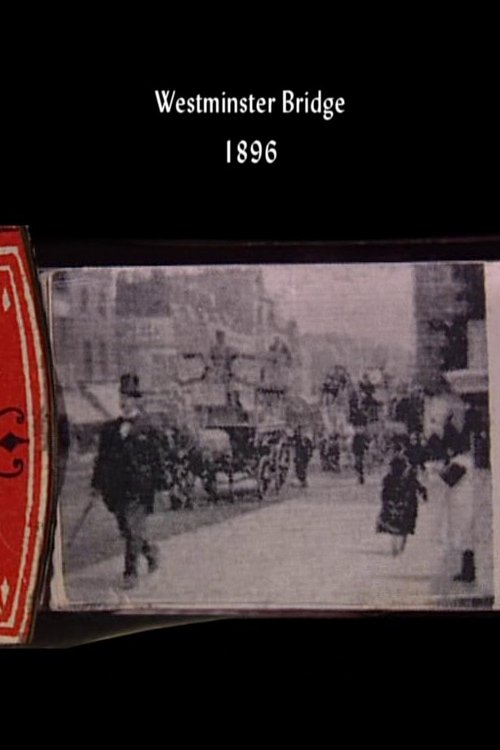
On Westminster Bridge
1896
No user ratings available yet
Representation score: 0.6 out of 10
Representation Score
Minimal
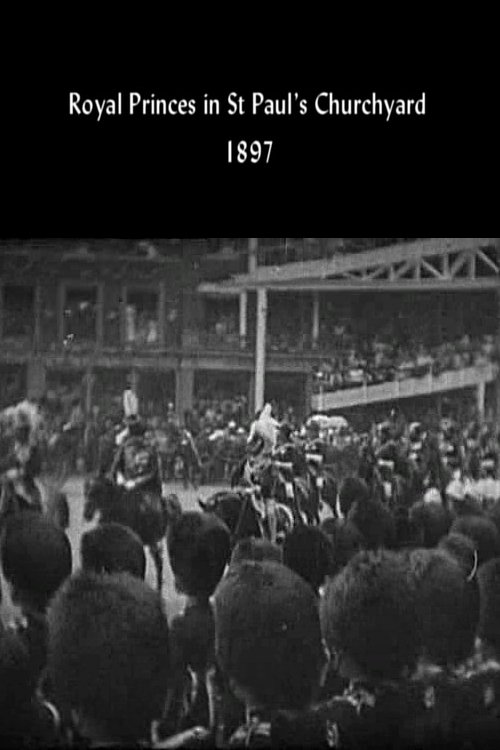
1897
Director
Robert W. Paul
Runtime
1 minutes
Average Rating
No ratings yetNew Showbiz Analysis
As a documentary from 1897, this film serves as a historical record rather than a scripted narrative. It captures spontaneous movements in St. Paul's Churchyard, lacking intentional character development or identity-focused storytelling. The low diversity scores reflect the social and demographic conditions of the late Victorian period. The footage adheres to the norms of the time, without challenging traditional hierarchies or implementing progressive narrative structures. The film's purpose is to document the status quo, and it does not attempt to subvert established social hierarchies or include diverse identities.
Category Breakdown
The film captures a public space without any scripted stories or representations of non-straight or non-cisgender identities.
Women are shown in traditional roles typical of Victorian times, and there is no challenge to the existing gender hierarchy.
The footage reflects the demographic uniformity of late 19th-century London, consistent with the norms of the British Empire during that era.
This work offers a glimpse into a highly traditional Western society, documenting the social order without providing critical or secular viewpoints.
There is no depiction of individuals with disabilities playing a central role or having significant influence in the footage.
Present on Screen
Limited or Absent
1896

1896
1897
1896
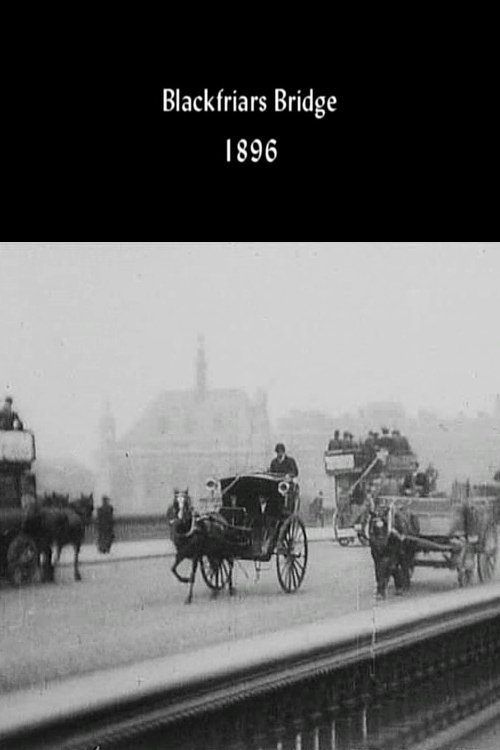
1896
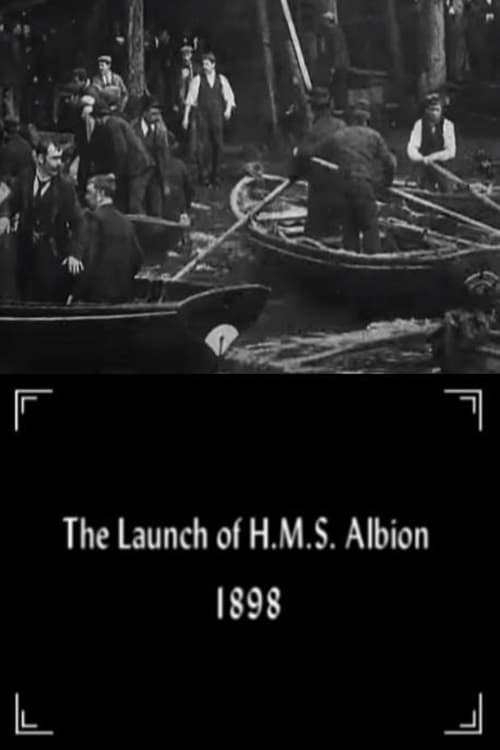
1898

1898
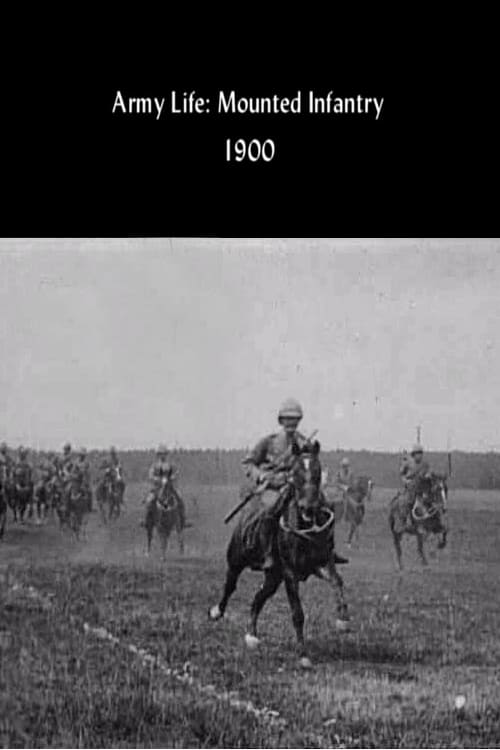
1900
No reviews yet. Be the first to share your thoughts on this movie!
Use the rating form above to leave a star rating and optional review.