The Berenstain Bears Meet Bigpaw
1980
No user ratings available yet
Representation score: 1.4 out of 10
Representation Score
Minimal
1968
TV-GDirector
Jules Bass, Arthur Rankin, Jr.
Runtime
60 minutes
Average Rating
No ratings yetNew Showbiz Analysis
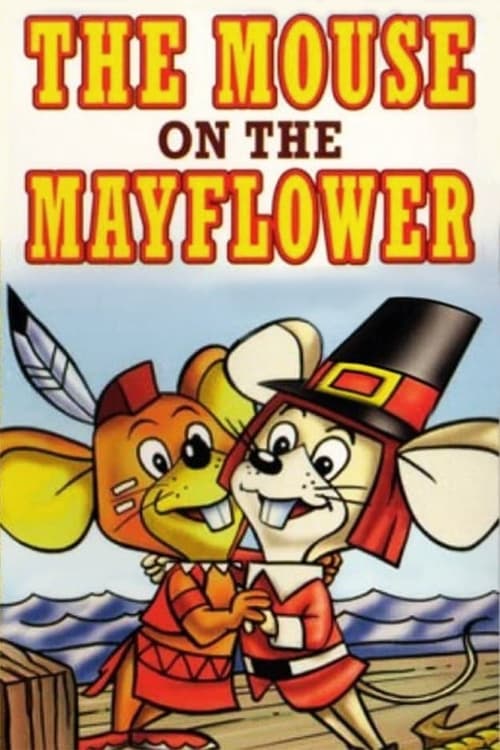
The Mouse on the Mayflower is a traditional celebration of Western colonial history. It focuses on a cohesive, mythologized version of the Pilgrims' journey and the founding of religious colonies. The narrative structure reinforces established cultural norms without challenging them. Although the film includes Native American characters, they are depicted through outdated stereotypes typical of the 1960s. This keeps the focus on the Pilgrim experience and the success of Western settlement. Overall, the film lacks the layered representation or social critique found in modern storytelling. It remains a product of its time, emphasizing patriotism, religious sanctity, and traditional social hierarchies.
Category Breakdown
The film does not include any characters with non-straight or non-cisgender identities. It adheres to a strictly heterosexual and cisgender framework.
Women in the film are mostly shown in domestic or supporting roles. Men take the lead in driving the plot forward, reflecting traditional gender roles from the 1960s.
Native American characters appear but are depicted using outdated stereotypes typical of the 1960s. The story focuses primarily on the Pilgrims' perspective, ignoring the broader colonial context.
The film emphasizes Western institutions and religious traditions. It presents a singular, foundational narrative of American history centered around the first Thanksgiving.
There are no characters with visible or invisible disabilities. All characters are portrayed as fully able-bodied participants in the settlement story.
Present on Screen
Limited or Absent
Official Synopsis
The famous ship called Mayflower is trapped amidst a huge storm. The entire story is narrated by a church-mouse called Willum, from his viewpoint. The tale begins with the pilgrim preachers deciding to move to America and getting aboard the Mayflower. However, because of the huge storm, the ship gets on the verge of sinking. Then, Willum, the pilgrim mouse, comes up with an idea to save the ship. When the pilgrims land safely, they write the Mayflower Compact and start constructing their new church and colony. However, it is already the autumn season and they do not have much food stored for the winter. The pilgrims then learn to plant crops during the spring season and celebrate a big feast toward the onset of the autumn season or fall. This is their first Thanksgiving celebration.
1980
1988
1981
1998
1951
1940
1984

1976
No reviews yet. Be the first to share your thoughts on this movie!
Use the rating form above to leave a star rating and optional review.