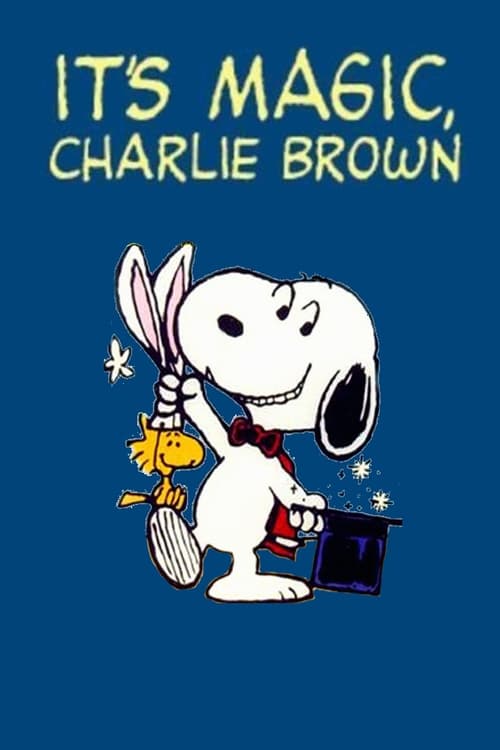
It's Magic, Charlie Brown
1981
No user ratings available yet
Representation score: 2.7 out of 10
Representation Score
Limited
1976
GDirector
Phil Roman
Runtime
25 minutes
Average Rating
No ratings yetNew Showbiz Analysis
This animated special reflects its time period, emphasizing demographic homogeneity and conventional social norms. It centers on a mid-century American suburban experience, focusing on traditional values and social cohesion through a narrow demographic lens. The narrative sticks to established character types and traditional hierarchies, reinforcing conventional views of childhood.
Category Breakdown
The special doesn't include any LGBTQ+ characters or same-sex relationships. It focuses on traditional family dynamics.
Female characters like Peppermint Patty have significant roles during the competition. However, the film follows traditional gender roles from the 1970s.
The character designs are mostly Caucasian, and the story doesn't include diverse ethnic backgrounds.
The story highlights traditional civic values through Arbor Day celebrations. It portrays a stable, middle-class society without challenging Western institutions.
Charlie Brown's social awkwardness and clumsiness are used as character traits. The story doesn't explore neurodivergence or physical disabilities.
Present on Screen
Limited or Absent
Official Synopsis
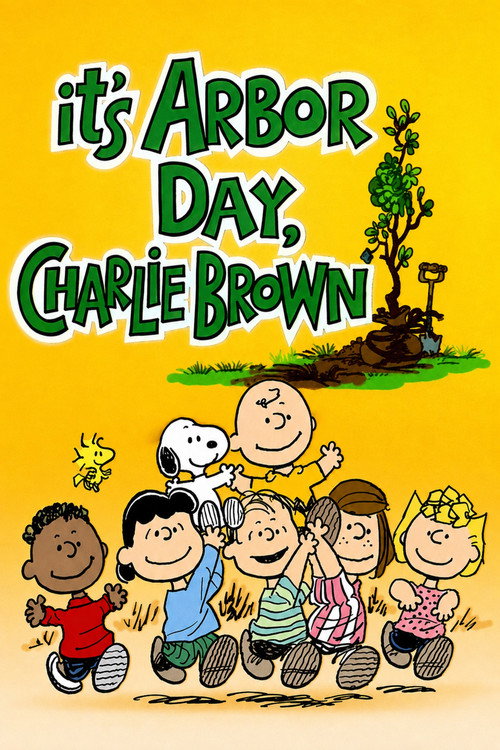
Charlie Brown's team is forced to play against Peppermint Patty's in their field that has been converted into a lush garden.
1981

1977
1977
1969
1986
1980
1984
1979
No reviews yet. Be the first to share your thoughts on this movie!
Use the rating form above to leave a star rating and optional review.