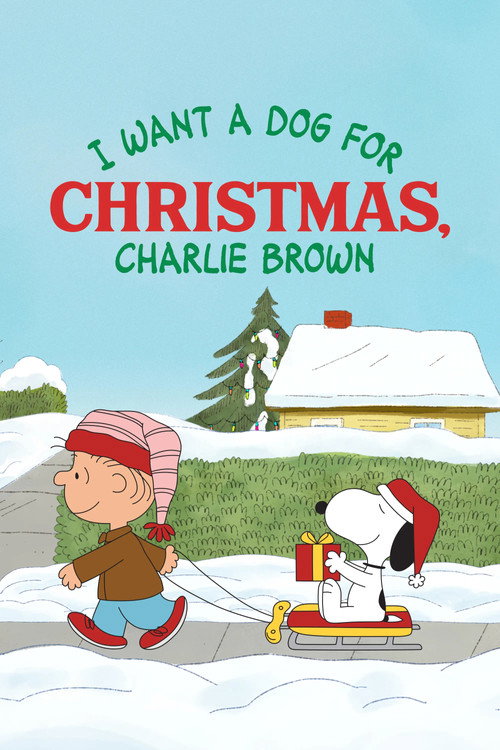
I Want a Dog for Christmas, Charlie Brown
2003
No user ratings available yet
Representation score: 1.7 out of 10
Representation Score
Minimal
1980
TV-YDirector
Mordicai Gerstein, Al Kouzel
Average Rating
No ratings yetNew Showbiz Analysis
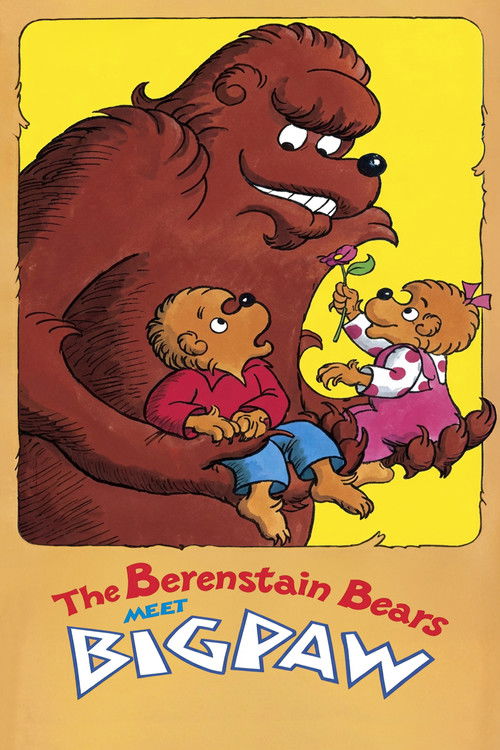
The Berenstain Bears Meet Bigpaw operates as a traditional moralistic fable. It emphasizes reinforcing existing social norms, such as family unity and communal thankfulness, over progressive character growth. The film leans heavily on conventional archetypes and a monocultural environment. By focusing solely on a single holiday and a standard nuclear family structure, the narrative avoids the complexities of diverse identities or social perspectives. Overall, the production serves an educational purpose grounded in traditional values. It fails to incorporate the diversity needed to challenge or broaden beyond mid-century storytelling conventions.
Category Breakdown
The story revolves around a typical nuclear family setup. There are no representations of non-straight or non-cisgender identities or same-sex relationships.
Mama Bear offers moral guidance within a traditional household framework. Characters follow conventional gender roles without challenging these norms.
The setting includes a uniform community of anthropomorphic animals. It does not show a mix of ethnicities or species.
The story centers on the American Thanksgiving holiday. It upholds traditional social customs and seasonal traditions through a classic moral tale.
The film does not include any characters with visible or invisible disabilities. No neurodivergent or physically impaired characters are featured.
Present on Screen
Limited or Absent
Official Synopsis
It's Thanksgiving in Bear Country, and the Bear Family get nervous when Mama Bear thinks they've gotten a sign that the "Thanksgiving Legend of Bigpaw" is coming true. The legend says that when bears get greedy and don't share their harvest, Bigpaw will come to destroy Bear Country. Eventually, the bears all learn a lesson about who Bigpaw really is, and they celebrate the holiday.
2003
1976

1994
2002
1979
2002
1981
1966
No reviews yet. Be the first to share your thoughts on this movie!
Use the rating form above to leave a star rating and optional review.