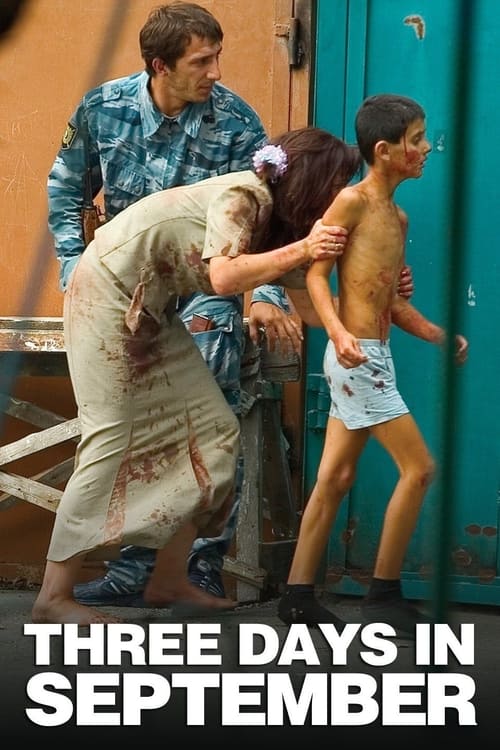
Beslan: Three Days in September
2006
No user ratings available yet
Representation score: 1.0 out of 10
Representation Score
Good
2005
Director
Ewa Ewart, Leslie Woodhead
Runtime
60 minutes
Average Rating
No ratings yetNew Showbiz Analysis
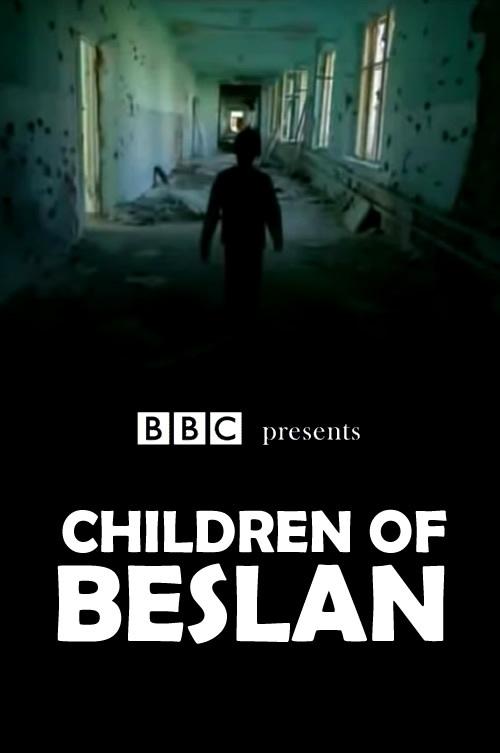
Children of Beslan is a powerful piece of testimonial media that prioritizes the lived experiences of victims over state-led historical accounts. By centering the North Ossetian community, it provides a sophisticated view of the ethnic and political complexities in the Caucasus. The film humanizes a massive tragedy through the eyes of those most affected, moving beyond simple news reporting to explore how systemic failures and external violence impact domestic stability and community identity. While the film lacks representation for certain identities, its strength lies in its multi-layered approach to ethnic conflict and the psychological aftermath of violence.
Category Breakdown
There are no documented LGBTQ+ characters or narratives within the film.
Women and mothers play key roles as emotional anchors and narrators of grief, navigating the trauma of the siege.
The documentary offers a nuanced look at the North Ossetian community and Chechen militants, focusing on local voices to challenge state-centric narratives of the conflict.
The film explores religious tensions between Islam and Orthodox Christianity, framing these as part of a broader systemic power struggle within the region.
It captures the invisible disabilities caused by psychological trauma, giving child survivors the opportunity to recount their post-traumatic realities.
Present on Screen
Limited or Absent
Official Synopsis
On September 1, 2004, a group of heavily armed rebel extremists stormed into School No. 1 in Beslan, Russia. For three days, more than a thousand children and adults were held hostage in a sweltering gymnasium, denied food and water, and forced to keep their hands over their heads. The harrowing siege ended on September 3 with a series of explosions and a hail of gunfire that killed some 350 people - half of them children. In this film, the youngest survivors of Beslan tell their story.
2006
2002
2003
1998
2014
2011
1976
2012
No reviews yet. Be the first to share your thoughts on this movie!
Use the rating form above to leave a star rating and optional review.