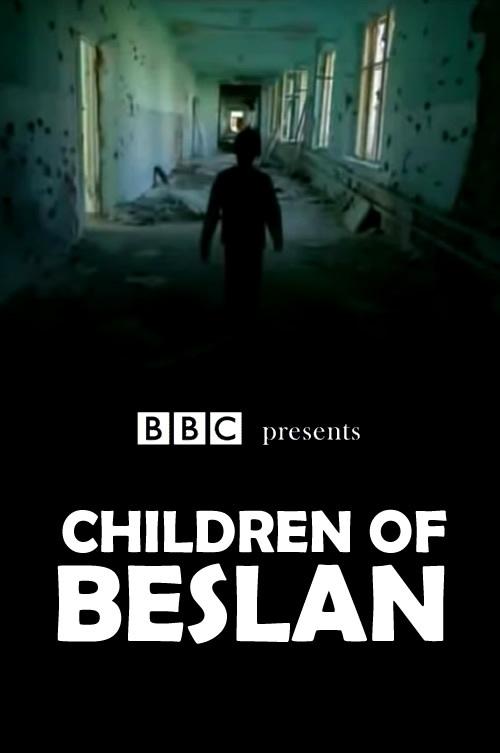
Children of Beslan
2005
No user ratings available yet
Representation score: 6.0 out of 10
Representation Score
Minimal
2006
TV-14Director
Joe Halderman
Runtime
75 minutes
Average Rating
No ratings yetNew Showbiz Analysis
As a historical documentary focused on the 2004 Beslan school siege, the film is constrained by the objective reality of a mass tragedy. The primary goal is to document the humanitarian crisis rather than intentionally implement progressive social commentary. Given the subject matter involves a violent extremist event, the film lacks the structure for identity-focused subplots or the subversion of traditional social hierarchies. The representation is a reflection of the geopolitical context of the Caucasus region rather than a deliberate effort to include diverse perspectives. Ultimately, the film serves as a grim record of a specific historical event. It does not aim to explore multi-layered identities or deconstruct cultural norms, focusing instead on the gravity of the hostage situation and its impact on the community.
Category Breakdown
The documentary does not include any LGBTQ+ characters or narratives. The focus on a humanitarian crisis and hostage situation prevents identity-focused subplots.
The film highlights the shared vulnerability of women and girls during the siege. It does not challenge traditional masculinity or elevate female roles through a progressive lens.
The film reflects the geopolitical reality of the Caucasus region and the conflict between Chechen rebels and Russian authorities. It prioritizes historical accuracy over intentional multi-layered exploration.
The narrative serves as a record of a specific terrorist act. It does not engage with themes of secularism, moral relativism, or critiques of Western institutions.
There is no evidence that neurodivergence or physical disabilities are used as central narrative themes or addressed through empowering lenses.
Present on Screen
Limited or Absent
Official Synopsis
In September 2004, Chechen rebels occupied a school in the small Russian city of Beslan, taking some 1,200 people-most of them children-hostage. At the end of three days, over 330 were dead.
2005
2002
2003
2011

2004
2015
2014
2012
No reviews yet. Be the first to share your thoughts on this movie!
Use the rating form above to leave a star rating and optional review.