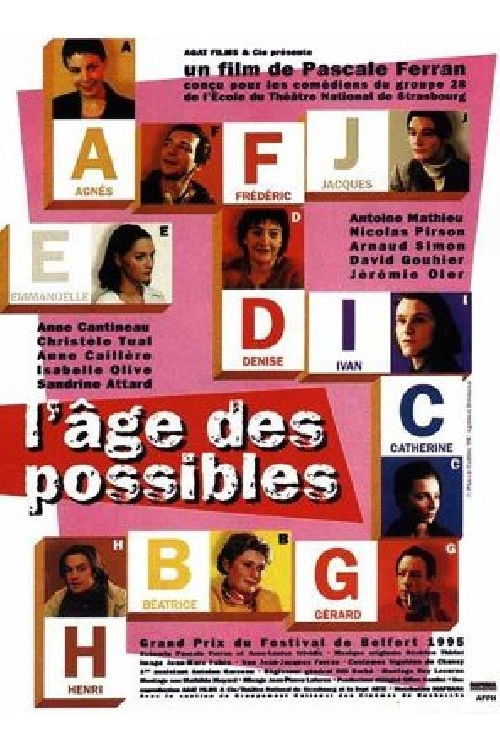
The Age of Potential
1996
No user ratings available yet
Representation score: 5.9 out of 10

Representation Score
Good
1999
Director
Alain Tanner
Runtime
124 minutes
Average Rating
No ratings yetNew Showbiz Analysis
Alain Tanner’s film is a contemplative exploration of human connection that prioritizes existential inquiry over broad demographic representation. It challenges traditional gender roles and questions the necessity of social and moral certainties through a postmodern lens. However, the film remains limited by its focus on a homogeneous European middle-class context. The lack of LGBTQ+, racial, and disability representation results in a score reflecting a narrower scope of diversity. Ultimately, the film is a work of profound subjectivity. It trades conventional narrative satisfaction and diverse representation for a deconstruction of bourgeois social structures and traditional storytelling clichés.
Category Breakdown
The film focuses on a relationship between Jonas and Lila that assumes everyone is straight or cisgender. There are no clear representations of LGBTQ+ identities or narratives that question traditional structures.
The film disrupts traditional gender roles by showing fluid, unstable roles for the protagonists. Both characters have significant influence over the story's direction.
The cast is predominantly from a European middle-class background. While there is a minor international touchpoint with a Russian actress, racial diversity is not a central theme.
The film embraces moral relativism and existential themes, avoiding singular religious or capitalist-driven moralities. It focuses on individual subjectivity and postmodern ideas.
There are no prominent depictions of visible or invisible disabilities. The film does not use neurodivergence or chronic illness as part of its main character arcs.
Present on Screen
Limited or Absent
Official Synopsis
It’s December 1999, and 25-year-old Jonah has just graduated from film school. As the new millennium begins, Jonah marries his longtime sweetheart Lila. Over the course of six months, the couple meet a number of interesting people, including Irina, an exiled Russian actress, as well as spending their time with Jonah’s sister Cecile and his filmmaking mentor Anziano. The discussions Jonah has with these friends and strangers help him to gain some perspective on his life and the new millennium.
1996
1996
2007

1997

2022
1995

2005
1990
No reviews yet. Be the first to share your thoughts on this movie!
Use the rating form above to leave a star rating and optional review.