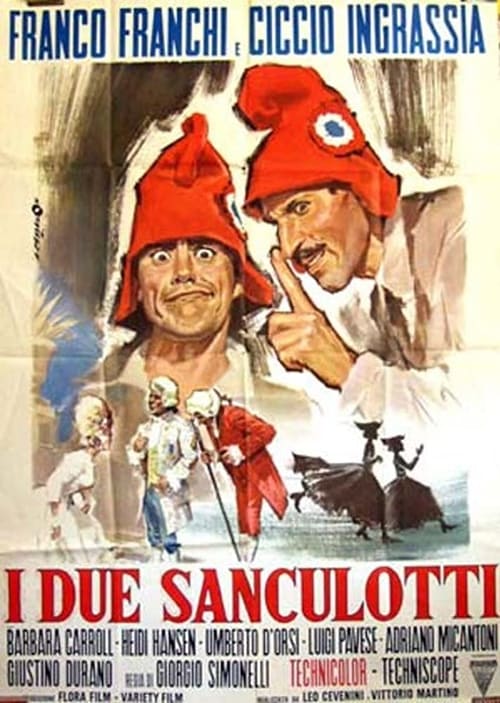
I due sanculotti
1966
No user ratings available yet
Representation score: 2.5 out of 10
Representation Score
Minimal
1951
Director
Richard Pottier
Runtime
141 minutes
Average Rating
No ratings yetNew Showbiz Analysis
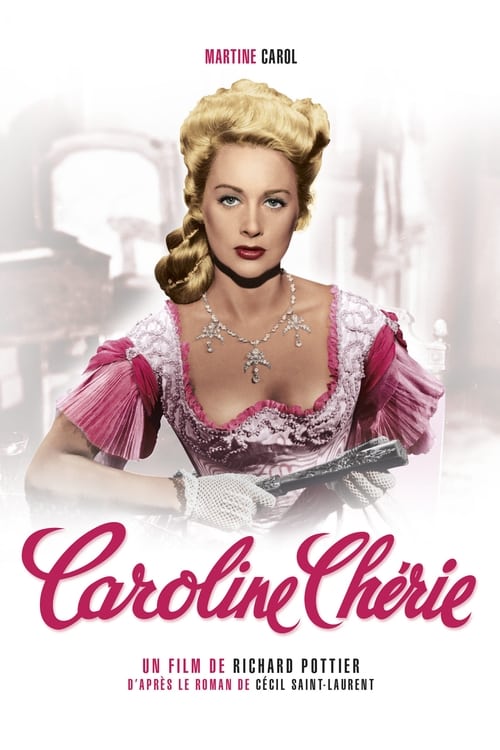
Dear Caroline (1951) is a period comedy that adheres strictly to the social and cinematic conventions of its era. The plot focuses on individual romantic ability to act within a historical framework, prioritizing the personal tribulations of its leads over systemic exploration. The film lacks diversity in its casting and thematic scope, reflecting the homogeneous standards of 1950s period dramas. It functions as a traditional romance rather than a tool for social or cultural critique. While the protagonist demonstrates resilience and ability to act during the French Revolution, the narrative structure remains centered on conventional romantic clichés and straight-centered dynamics.
Category Breakdown
The film follows a traditional romantic storyline between a Marchioness and a soldier, without exploring non-traditional gender identities.
Caroline is defined by her beauty and romantic pursuits. She shows resilience as a fugitive during the Revolution, but her story remains closely tied to her relationship with Gaston.
Set in 1782 France, the narrative depicts a homogeneous European cast, reflecting the era's standard of depicting Western European aristocracy without diverse casting.
The story explores the collapse of the French aristocracy through a romantic lens, focusing more on historical romanticism than a critique of systemic class oppression.
The narrative does not feature characters navigating physical, sensory, or neurodivergent experiences.
Present on Screen
Limited or Absent
Official Synopsis
France, July 1782. During her birthday, the beautiful young Marchioness Caroline meets the attractive soldier Gaston. It's love at first sight but Gaston does not wish to make a commitment because a military career waits for him. Caroline marries then a politician but the French Revolution bursts and Caroline has to run away to escape the guillotine. By running away she meets Gaston again who decides to help her.
1966
1952
1954
1955
1961
1967
1969
1980
No reviews yet. Be the first to share your thoughts on this movie!
Use the rating form above to leave a star rating and optional review.