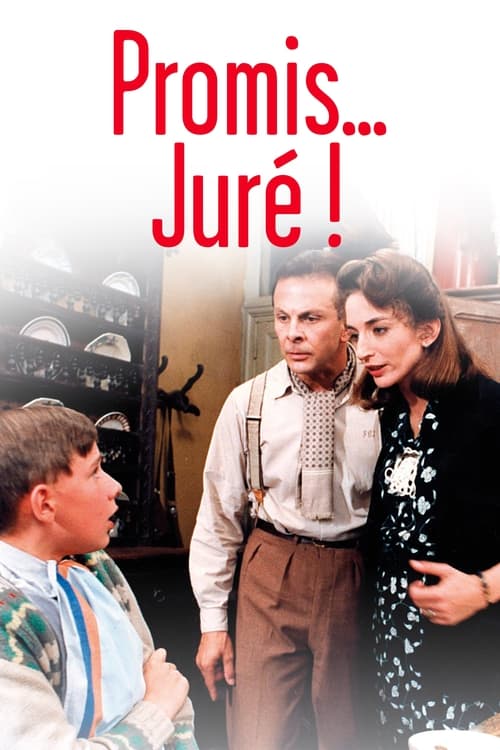
Promised... sworn!
1987
No user ratings available yet
Representation score: 5.8 out of 10
Representation Score
Limited
1980
RDirector
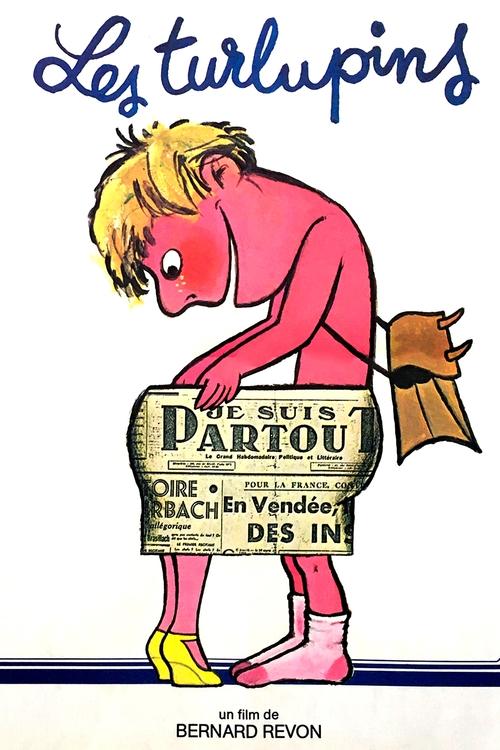
Bernard Revon
Runtime
95 minutes
Average Rating
No ratings yetNew Showbiz Analysis
The Rascals is a period coming-of-age comedy that emphasizes individual adolescent experiences over broader social issues. Its narrative structure adheres to traditional storytelling conventions of its era. Although the 1942 setting provides a backdrop of geopolitical tension, the film primarily uses this context to highlight personal romantic themes. It fails to intentionally disrupt social hierarchies or offer nuanced, multi-layered representation. Ultimately, the film serves as a localized character study, focusing on the interpersonal dynamics and personal growth within a boarding school setting.
Category Breakdown
The film centers around a heterosexual relationship between Bernard and Marie-Helene. There are no characters with non-binary or LGBTQ+ identities, nor does the plot critique assumptions about sexual orientation or gender identity.
The story follows a conventional romantic storyline where Marie-Helene is portrayed as more mature. However, the central conflict revolves around typical courtship rituals, reinforcing traditional gender roles without challenging them.
Set in a French boarding school during the 1940s, the film features a predominantly white cast with no indication of a multi-ethnic student body. The narrative seems to focus on a homogeneous demographic reflective of the time period.
The story deals with the German occupation of France but emphasizes adolescent romance over broader social critiques. It presents a localized, escapist perspective on history rather than addressing political structures.
There is no mention of characters with visible or invisible disabilities in the film.
Present on Screen
Limited or Absent
Official Synopsis
Late spring 1942: France is under German occupation. But this doesn't much concern the boarders of a school lost in the French country. Bernard, a rather frivolous teenager, is in love for the first time; he's fond of Marie-Helene, an older and more mature girl. To approach her is not so easy...
1987
1983
1959
1956
1978
1973
1983
1942
No reviews yet. Be the first to share your thoughts on this movie!
Use the rating form above to leave a star rating and optional review.