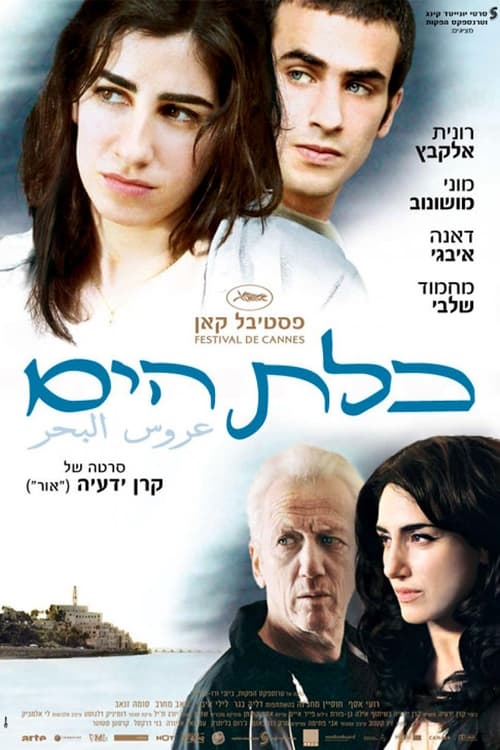
Jaffa
2009
No user ratings available yet
Representation score: 6.3 out of 10
Representation Score
Good
2015
Director
Dror Zahavi
Runtime
90 minutes
Average Rating
No ratings yetNew Showbiz Analysis
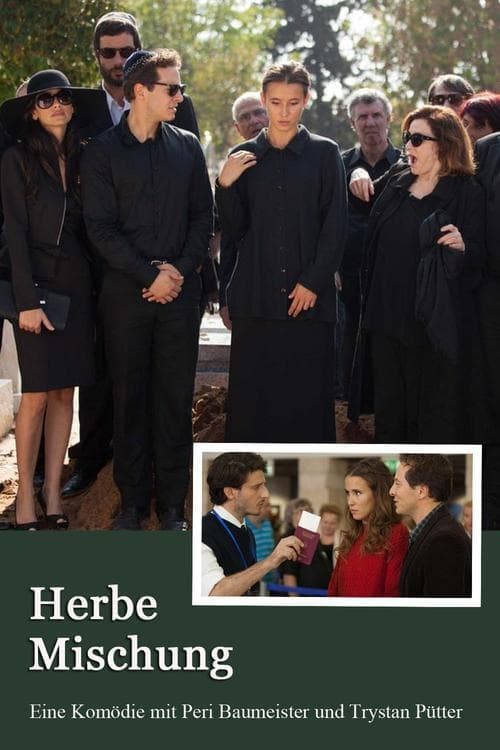
A Bitter Mix is a nuanced study of identity politics and the friction between individual ability to act and systemic cultural expectations. The film's primary strength lies in its ability to challenge monolithic cultural identities by presenting a landscape of layered heritages and secrets. The narrative disrupts conventional expectations of social cohesion. It highlights how traditional institutions, such as the family and the synagogue, react to the presence of the 'other,' offering a sophisticated critique of social conformity. While the film succeeds in exploring layered ethnic identities, it remains limited in its exploration of gender roles and LGBTQ+ themes, focusing instead on the tensions of religious and ethnic passing.
Category Breakdown
The film focuses on ethnic and religious identity rather than sexual orientation. There is no explicit evidence of queer-coded characters or narratives centering on non-straight relationships.
The story examines interpersonal dynamics within the domestic sphere. Tension centers on Zahra navigating a space where her identity is scrutinized, though it lacks a deeper subversion of masculine authority.
The film excels by centering a relationship between an Israeli man and a woman of German and Egyptian descent. It highlights the friction caused by concealing heritage to navigate social hierarchies.
The narrative critiques traditional institutions by framing the synagogue and family as sites of scrutiny. It prioritizes individual truth over the preservation of communal dogma and religious cohesion.
There are no visible or mentioned depictions of physical or neurodivergent disabilities in the narrative.
Present on Screen
Limited or Absent
Official Synopsis
Benny, an Israeli living in Berlin is called back home following his grandfather death. He arrives to Israel with his girlfriend Sara and his family can't wait to meet her. But suspicions arise. The family realizes that Benny and Sara haven't actually met in a synagogue but in front of a synagogue and that the right pronunciation of her name is Zahra. Zahra Abdulla to be precise. Zahra was born in Germany to a German mother and an Egyptian father. As tension rises, the members of the family discover that Benny and Zahra were not the only ones who tried to lead a quiet life while keeping secrets.
2009
2010

2011

2017
1998
2011
2003
2018
No reviews yet. Be the first to share your thoughts on this movie!
Use the rating form above to leave a star rating and optional review.