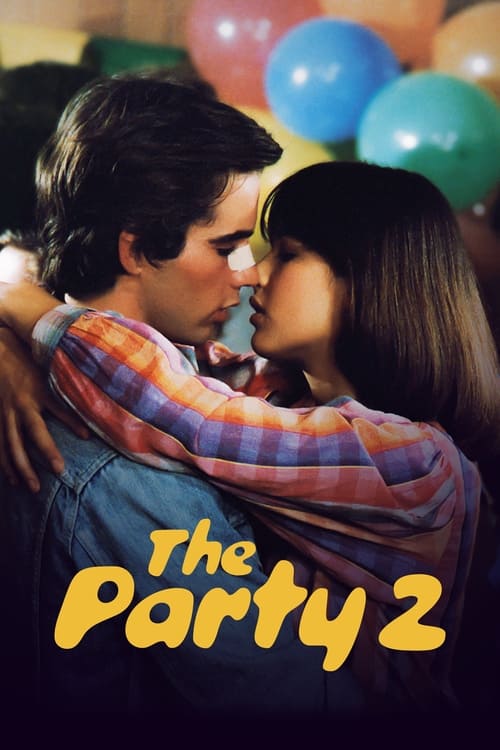
The Party 2
1982
No user ratings available yet
Representation score: 4.2 out of 10
Representation Score
Limited
1976
Director
Claude Berri
Runtime
83 minutes
Average Rating
No ratings yetNew Showbiz Analysis
The film provides a nuanced look at 19th-century French social structures, prioritizing thematic depth over demographic breadth. While the historical setting limits racial and LGBTQ+ diversity, the film excels in its subversion of gendered clichés. It moves beyond simple period drama by granting female characters ability to act and exploring the tension between individual desire and institutional morality. However, the narrow focus on a homogeneous European context results in low scores for racial and ethnic representation. The narrative remains strictly within the bounds of the era's social realities, which limits its modern inclusiveness.
Category Breakdown
The film does not include any LGBTQ+ characters or narratives. It focuses solely on heterosexual relationships and period-specific interpersonal dynamics.
The narrative challenges traditional gender roles by centering female autonomy and desire. Marie plays a significant role in driving the story, subverting the cliché of the submissive female protagonist.
The cast is predominantly homogeneous, reflecting its 19th-century French setting. It does not incorporate significant minority representation or color-blind casting.
The film critiques rigid class structures and religious moralism in 19th-century France. It portrays social deviations as personal liberation rather than moral failings.
There is no evidence of characters with visible or invisible disabilities driving the plot or serving as central figures.
Present on Screen
Limited or Absent
Official Synopsis
Claude is in his last year of high-school, but he doesn't care much for school. Instead all his thoughts circle around girls and getting laid. But since he doesn't look very studly, he has a hard time realizing his fantasies. When he's finally got an invitation to a steamy afternoon by Carole, his father intercepts the letter...
1982
1976
1995

1996

2009

1985

1992

2009
No reviews yet. Be the first to share your thoughts on this movie!
Use the rating form above to leave a star rating and optional review.