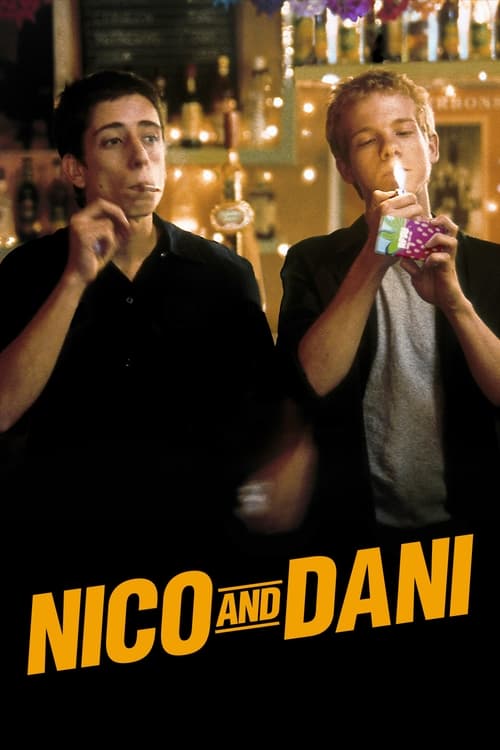
Nico and Dani
2000
No user ratings available yet
Representation score: 5.1 out of 10
Representation Score
Good
1992
TV-MADirector
Maryse Sistach
Runtime
90 minutes
Average Rating
No ratings yetNew Showbiz Analysis
Maryse Sistach’s film disrupts Eurocentric cinematic norms by focusing on the lived experiences of underrepresented youth. Its strength lies in its nuanced portrayal of race and class, moving beyond including someone from a minority group without giving them real depth to offer a realistic look at the French banlieues. While the film lacks depth in LGBTQ+ or disability representation, it effectively challenges traditional Western narrative hierarchies through its focus on non-white identities and women's ability to drive the story. Overall, the film serves as a powerful tool for exploring post-colonial identity and the complexities of urban integration.
Category Breakdown
The film focuses on heterosexual relationships among adolescents, without explicitly addressing non-binary gender identities or narratives that question traditional gender roles.
Female characters, especially Azucena, play a significant role in driving the story and challenging male dominance within patriarchal immigrant communities.
The film features a predominantly Black and North African cast, reflecting the demographic reality of Parisian suburbs and post-colonial urban life.
The story critiques systemic exclusion within underrepresented social environments, highlighting the tensions between immigrant communities and Western institutions.
There is no significant evidence regarding the portrayal of physical or neurodivergent disabilities in this work.
Present on Screen
Limited or Absent
Official Synopsis
Two teenage friends spend their summer break preparing for the sexual conquests they hope to experience. That is, until one of the boys is visited by his older, more sexually aggressive cousin, Azucena. Ushering her naïve cousin into the world of sex could take more work than Azucena realized.
2000
1980
1995

1998
1982
1998
2009

2001
No reviews yet. Be the first to share your thoughts on this movie!
Use the rating form above to leave a star rating and optional review.