Georgia O'Keeffe: By Myself
2016
No user ratings available yet
Representation score: 5.0 out of 10
Representation Score
Fair
2025
Director
Ali Ray
Runtime
92 minutes
Average Rating
No ratings yetNew Showbiz Analysis
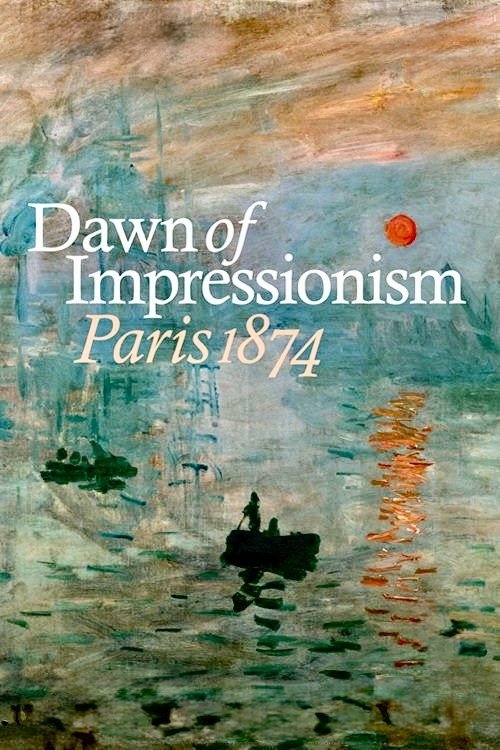
Dawn of Impressionism: Paris 1874 avoids traditional academic lectures, opting for a witness-based perspective. By centering the voices of artists and the Parisian public, the film shifts the focus from established institutions to the radical outsiders who shaped the movement. The documentary examines systemic disruption. It frames the birth of Impressionism as a grassroots rebellion against artistic gatekeeping, emphasizing autonomy and the dismantling of traditional authority. While the film explores themes of independence and non-conformity, it lacks specific details regarding the demographic representation of gender, race, or sexual orientation.
Category Breakdown
The film doesn't explicitly mention LGBTQ+ identities. However, it highlights individuals who live outside official channels, suggesting an interest in social non-conformity.
The narrative focuses on rebellion against established norms. Although it includes significant female figures, the synopsis emphasizes the collective nature of these maverick personalities.
Set in 1874 Paris, the film operates within a specific colonial era. There is no explicit evidence regarding the inclusion of non-white perspectives.
The film presents the conflict as a struggle between outsiders and official channels. It prioritizes the subjective experiences of those sidelined by society.
There is no evidence to suggest that neurodivergence or physical disabilities play a central role or character arc in this documentary.
Present on Screen
Limited or Absent
Official Synopsis
The Impressionists are the most popular group in art history – millions flock every year to marvel at their masterpieces. But, to begin with, they were scorned, penniless outsiders. 1874 was the year that changed everything; the first Impressionists, “hungry for independence”, broke the mould by holding their own exhibition outside official channels. Impressionism was born and the art world was changed forever. What led to that first groundbreaking show 150 years ago? Who were the maverick personalities that wielded their brushes in such a radical and provocative way? The spectacular Musée d’Orsay exhibition brings fresh eyes to this extraordinary tale of passion and rebellion. The story is told not by historians and curators but in the words of those who witnessed the dawn of Impressionism: the artists, press and people of Paris, 1874.
2016

2021
2019
2013
2017
2015
2017

2014
No reviews yet. Be the first to share your thoughts on this movie!
Use the rating form above to leave a star rating and optional review.