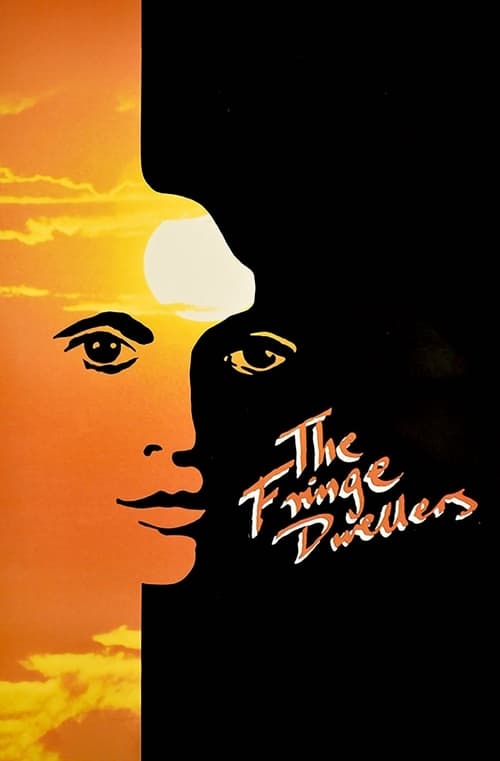
The Fringe Dwellers
1986
No user ratings available yet
Diversity score: 6.6 out of 10

1977
Director
Bruce Beresford
Runtime
101 minutes
Average Rating
No ratings yetSynopsis
The Getting of Wisdom is based on the 1910 novel by Henry Handel Richardson (born Ethel Florence Lindesay Richardson). Her novel is thought to be an account of her own schooldays at the Presbyterian Ladies College in Melbourne. The film is about a young girl, Laura Tweedle-Rambotham who grew up in the outback, and at around the age of 14, is sent off by her poor mother who has scrimped and saved for her to go to a prestigious women’s private college in Melbourne, the Presbyterian Ladies College.
Overall Score
Limited
Category Breakdown
LGBTQ+ Representation
The film operates within a strict heteronormative framework. There is no evidence of queer expression or non-cisnormative identities, as the story focuses on maintaining traditional social mores.
Gender Representation
The narrative centers on a female-dominated ecosystem, removing the male gaze. It provides a nuanced look at how women navigate and enforce social hierarchies through reputation policing.
Racial & Ethnic Diversity
The cast is predominantly homogeneous, reflecting the historical context of the era. The story focuses on class distinctions within a white, upper-class social stratum.
Religious & Cultural Diversity
The film critiques the rigid mechanics of the British class system. It portrays the pursuit of social status and 'polite society' as a dehumanizing and burdensome endeavor.
Disability Representation
There is no visible representation of physical, sensory, or neurodivergent disabilities within the primary character arcs.
Strengths
Areas for Improvement
AI Analysis
The film excels at deconstructing the psychological friction within rigid institutional frameworks. By centering on a women's college, it offers a rare look at female power dynamics and social policing without the interference of a male gaze. However, the film is deeply limited by its historical homogeneity. It lacks any meaningful representation of racial, ethnic, or LGBTQ+ diversity, remaining confined to the white, upper-class social structures of the period. Ultimately, while it provides a sharp critique of class-based cruelty, the narrative lacks the demographic breadth necessary for a more progressive score.
1986
1981
1992
1940
1947
2001
1945

1917
1933
1990
2004
1960
No reviews yet. Be the first to share your thoughts on this movie!
Use the rating form above to leave a star rating and optional review.