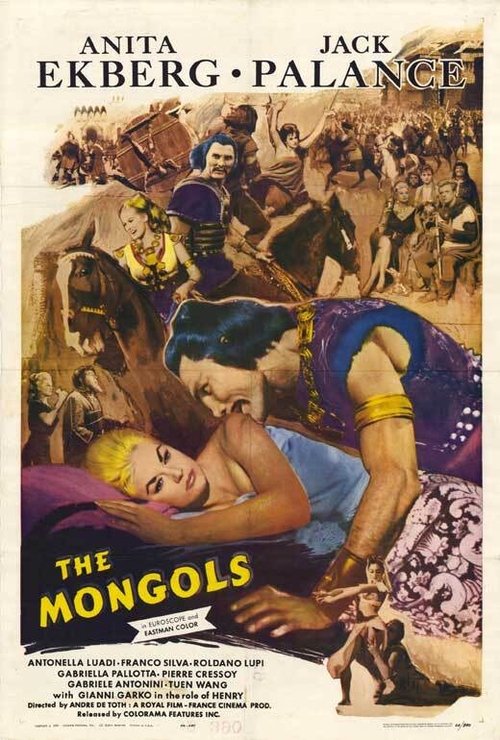
The Mongols
1961
No user ratings available yet
Diversity score: 3.2 out of 10
1961
NRDirector
Richard Thorpe
Runtime
83 minutes
Average Rating
No ratings yetSynopsis
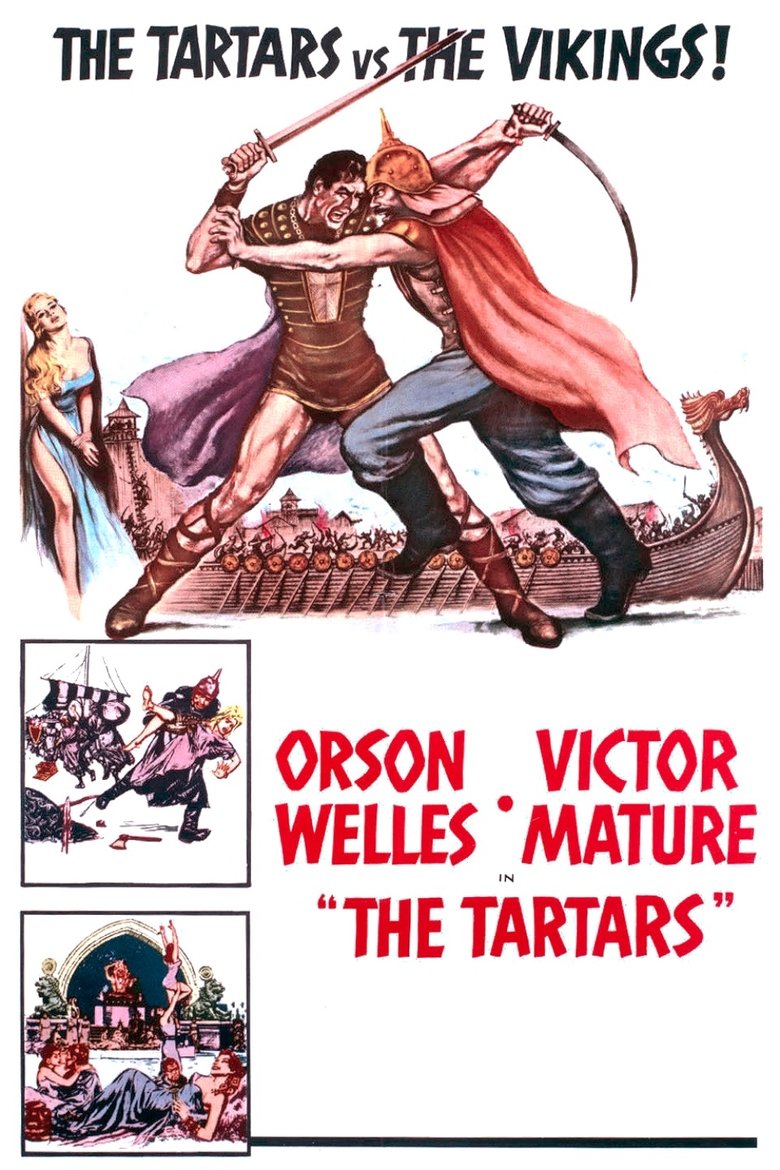
The Tartars and the Vikings maintain a fragile peace in the harsh landscape of the Russian Steppe. When the leader of the Vikings, Oleg, declines to accompany the Tartars on a campaign against the Slavs, there is an explosion of violence. After Oleg kills the Tartar leader and kidnaps his daughter, the dead man's brother, Burandai, retaliates by holding Oleg's wife, Helga, hostage. The stalemate can be resolved only on the battlefield.
Overall Score
Limited
Category Breakdown
LGBTQ+ Representation
The film operates within a strictly heteronormative framework. There is no evidence of queer narratives or non-cisnormative identities in the plot.
Gender Representation
Women function primarily as objects of conflict rather than autonomous characters. Helga serves as a hostage to facilitate male-driven political stalemates.
Racial & Ethnic Diversity
The story features various ethnic groups, including Tartars, Vikings, and Slavs. However, this variety is framed through tribal warfare rather than deep intersectional exploration.
Religious & Cultural Diversity
Themes focus on traditionalist values like honor and martial strength. The narrative reinforces cyclical historical conflicts rather than offering revisionist or secular critiques.
Disability Representation
There is no mention of characters with visible or invisible disabilities within the narrative.
Strengths
Areas for Improvement
AI Analysis
The Tartars is a conventional mid-century adventure drama that relies heavily on established genre archetypes. While the setting introduces multiple ethnic groups, the storytelling remains tethered to traditional power dynamics and tribal conflict. The film lacks intentionality in disrupting social hierarchies. Instead, it utilizes historical settings to drive a standard cycle of provocation and retaliation, prioritizing linear action over nuanced character development. Ultimately, the narrative architecture favors masculine-driven conflict and uses female characters as plot catalysts. This results in a film that mirrors the period's standard tropes rather than challenging them.
1961
1962
1985
1964
2001

1971
1967

1956
1955
No reviews yet. Be the first to share your thoughts on this movie!
Use the rating form above to leave a star rating and optional review.