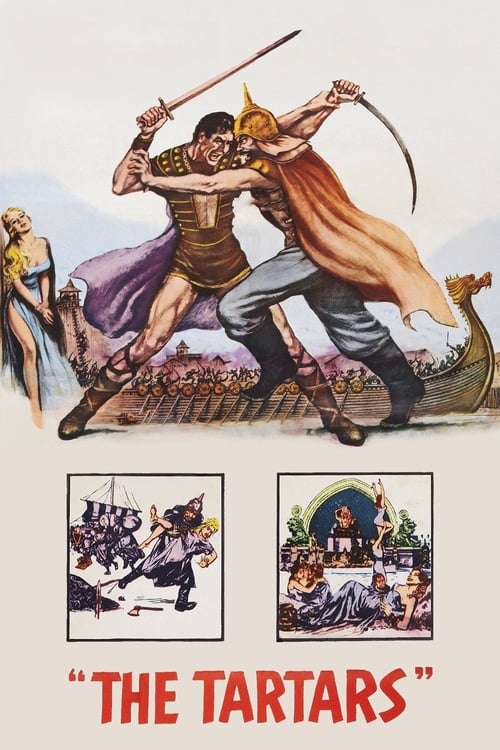
The Tartars
1961
No user ratings available yet
Representation score: 2.1 out of 10
Representation Score
Limited
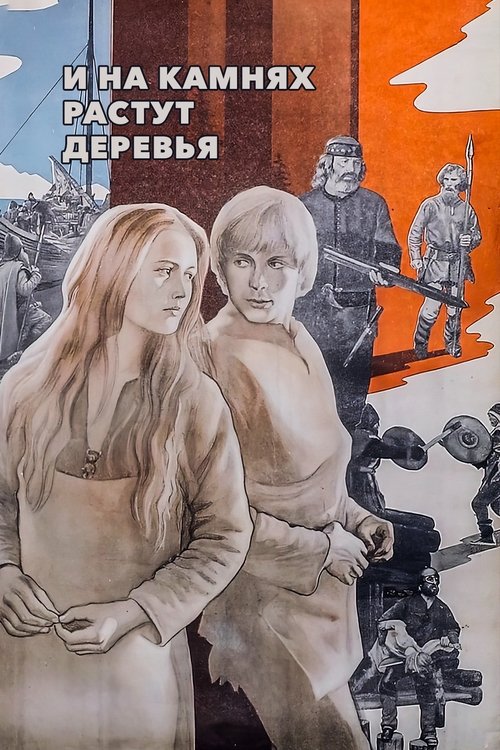
1985
Director
Knut Andersen, Stanislav Rostotsky
Runtime
137 minutes
Average Rating
No ratings yetNew Showbiz Analysis
Trees Grow on the Stones Too is a period adventure drama that relies heavily on classical heroic clichés. The narrative is driven by masculine archetypes and traditional romantic conflicts typical of mid-1980s cinema. While the film lacks modern characters who reflect more than one aspect of diversity, it offers a subtle look at social integration. The transformation of Kuksja into Einar provides a lens through which to view identity and cultural assimilation. Ultimately, the film functions as a character-driven epic centered on honor and tribal dynamics rather than diverse social perspectives.
Category Breakdown
The film follows traditional heterosexual relationships. The plot revolves around a classic love triangle involving the protagonist, a female love interest, and a male antagonist.
Masculine roles such as warriors and chiefs dominate the story. Signy's role is largely defined by her relationships with the male leads, acting mainly as an emotional catalyst.
The Viking-era setting features a relatively homogeneous cast. However, the story explores themes of 'otherness' through the integration of an outsider into a new social structure.
The narrative explores tribalism and the restructuring of identity. It avoids simple good-versus-evil morality, focusing instead on personal desires and the complexities of tribal warfare.
There is no evidence of characters navigating physical or neurodivergent disabilities within the story.
Present on Screen
Limited or Absent
Official Synopsis
Vikings attack Kuksja's village, and end up bringing him along on their ship because they believe he is good luck. After proving himself in a battle against the dreaded Danes, chief Torir bestows upon him the name of Einar and takes him in as his son. Back home in Norway the men are received as heros, but new trouble arises when Kuksja falls in love with the beautiful Signy, who is already betroth to the vicious Sigurd.
1961
1958
1989
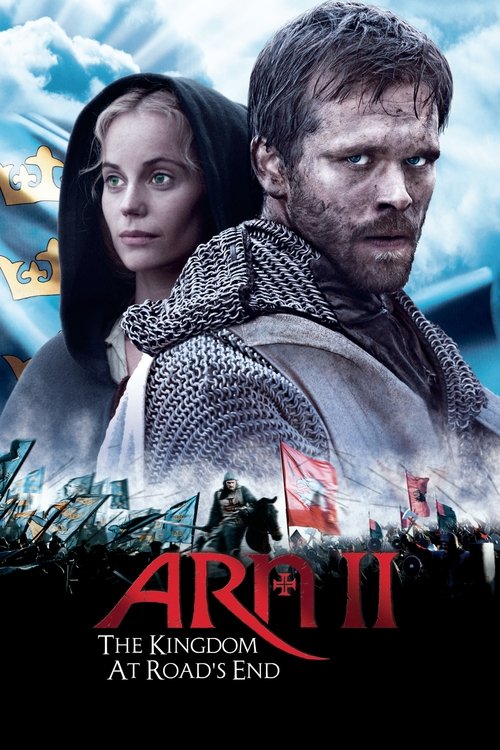
2008
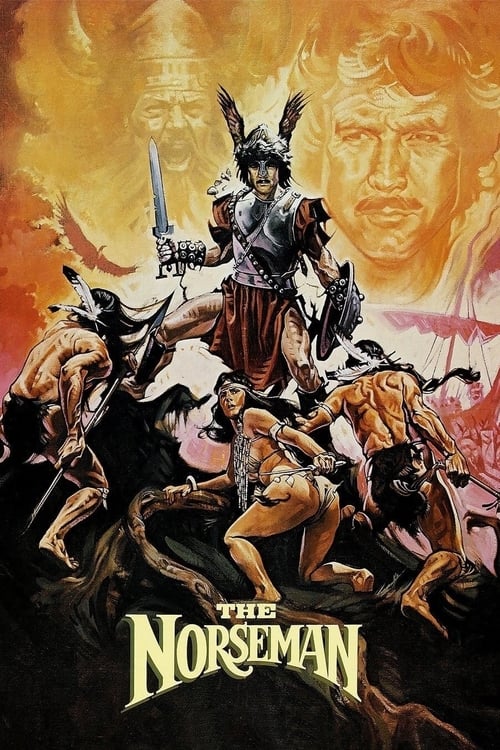
1978
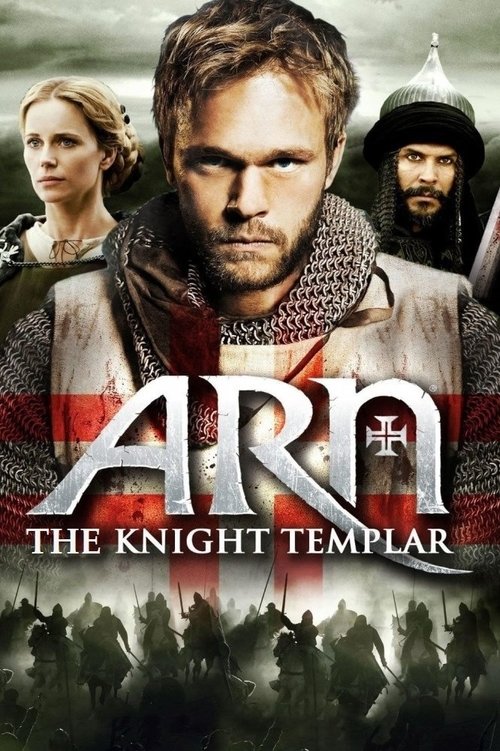
2007
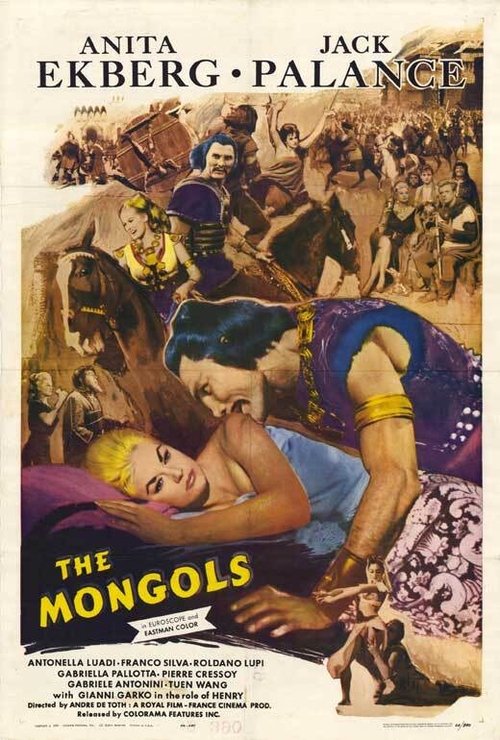
1961
1985
No reviews yet. Be the first to share your thoughts on this movie!
Use the rating form above to leave a star rating and optional review.